Constraining growth rate from SNIa peculiar velocities and galaxy density field
Corentin Ravoux - CNRS/LPCA Clermont-Ferrand
Duke seminar - 17 july 2025



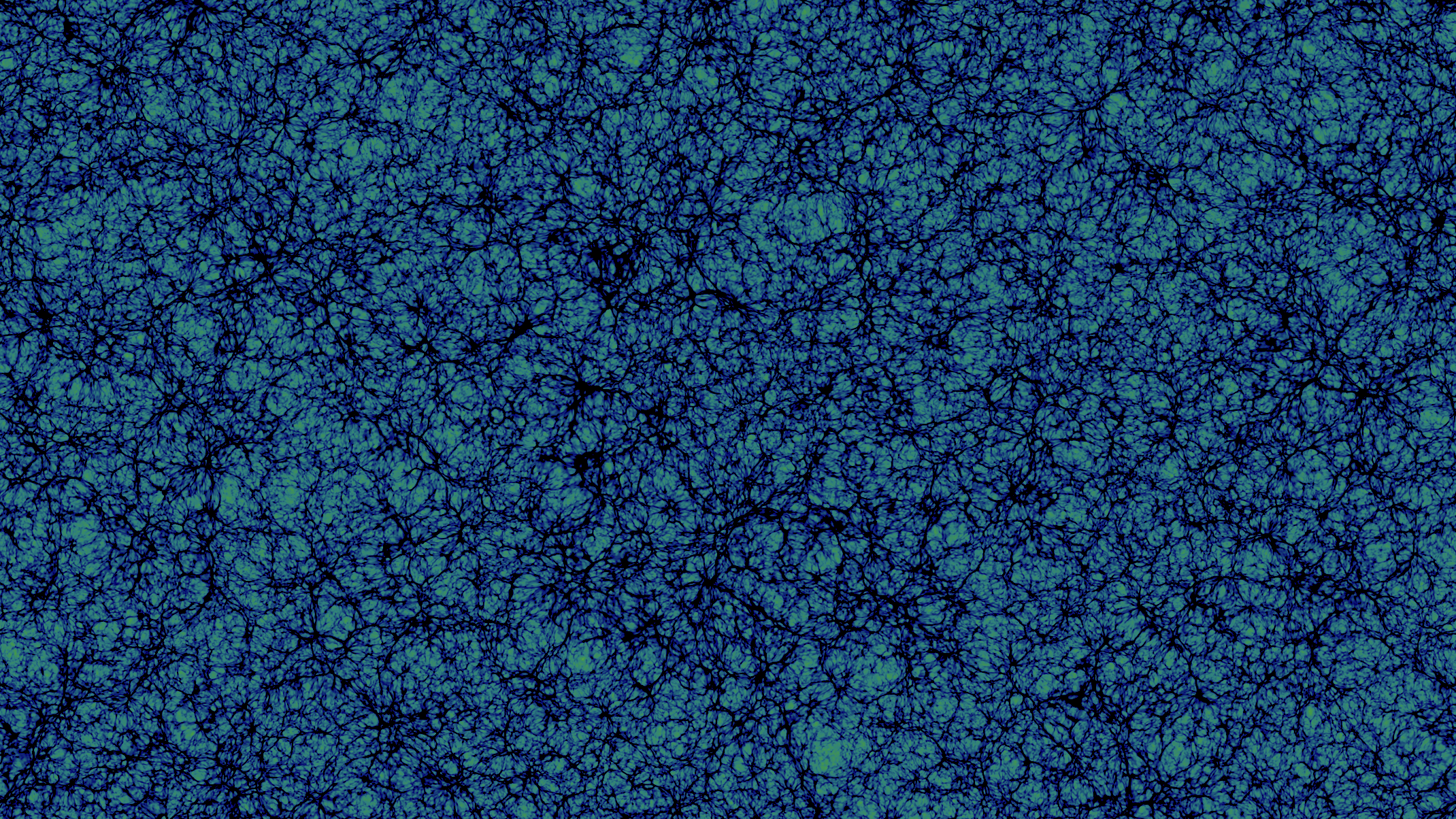
ACCEL² simulation

with Bastien Carreres, Damiano Rosselli, Julian Bautista and many others
Dark Energy
- What is the nature of dark energy ?
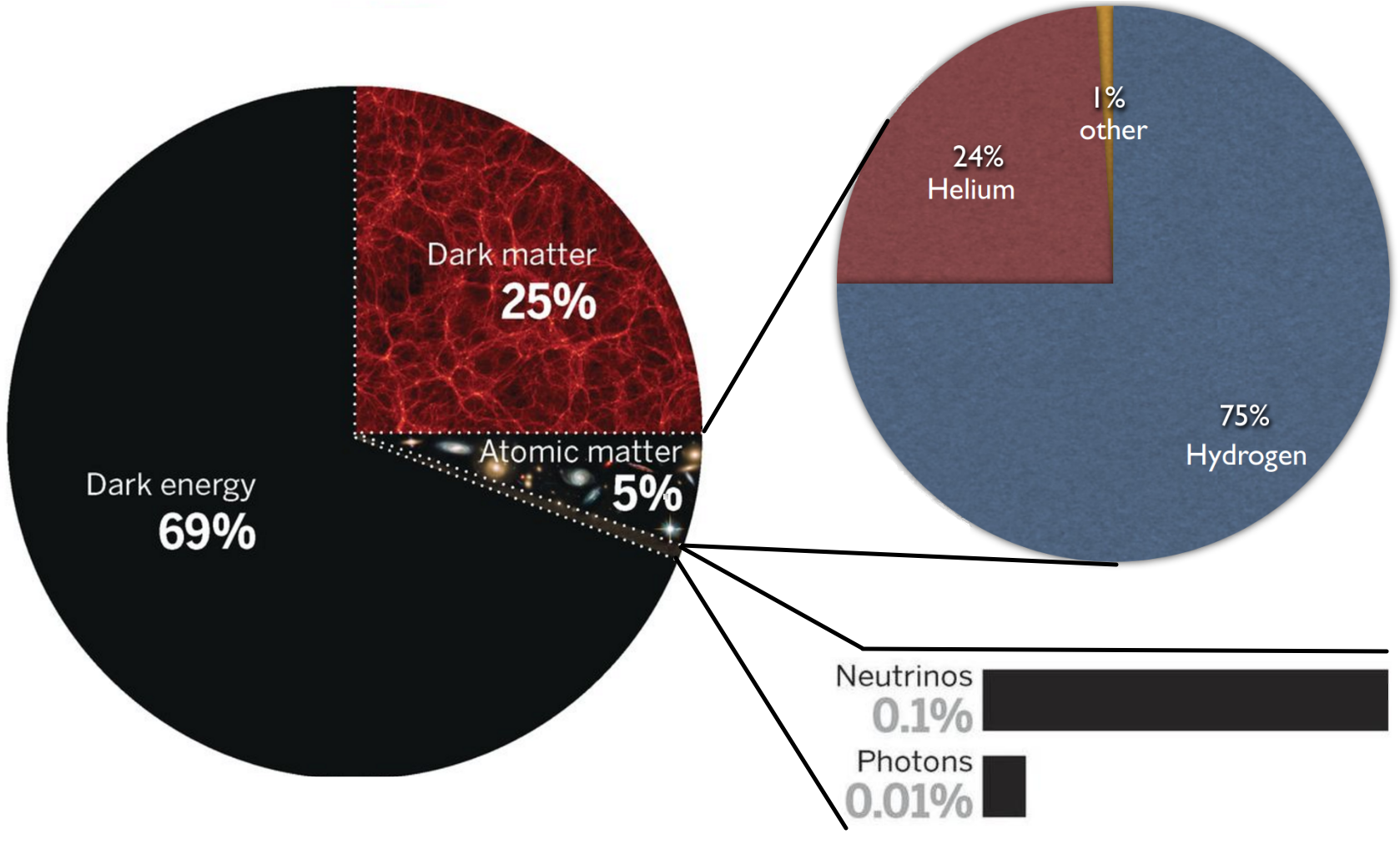
Adapted from Dijkstra 2017
Corentin Ravoux Duke seminar - july 2025
Dark Energy
- What is the nature of dark energy ?
- Cosmological constant model (Λ) not very satisfying
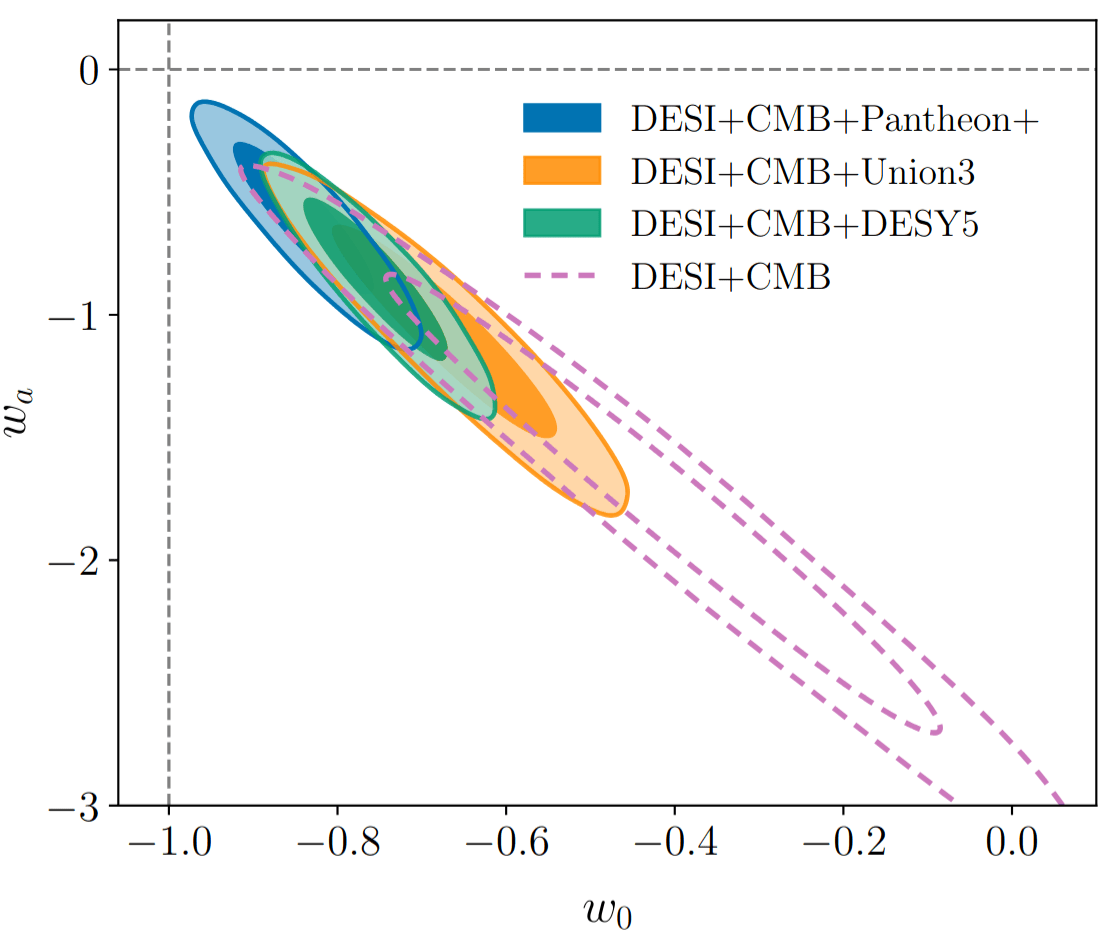
Recent DESI DR2 BAO + CMB + SNIa results: stronger hints for varying dark energy
DESI DR2 BAO 2025
Corentin Ravoux Duke seminar - july 2025
Dark Energy
- What is the nature of dark energy ?
- Cosmological constant model (Λ) not very satisfying
-
Other models :
- Fifth force, additional field ?
- Modified gravity theories ?
- Current objective: Probing large-scale structure formation to constrain dark energy/modified gravity.
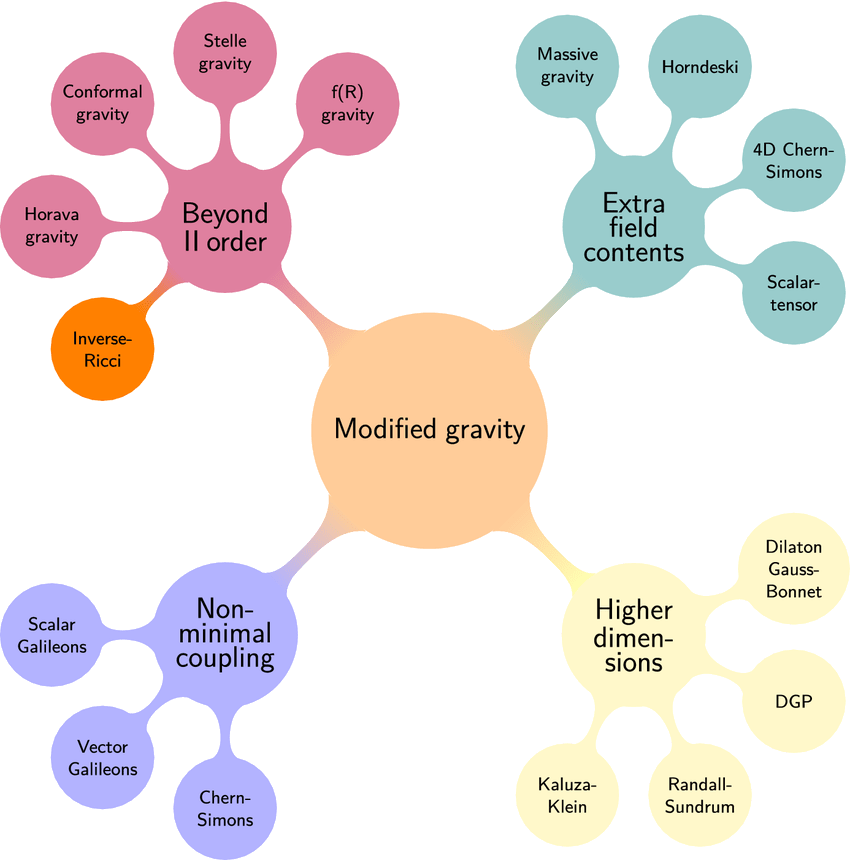
Shankaranarayanan et al. 2022
Corentin Ravoux Duke seminar - july 2025
Cosmic web
- Matter perturbations in the primordial Universe grew to form the cosmic web
- Static description: matter density contrast (δ) follows a linear power spectrum at large-scales
- Dynamic description: Cosmic web peculiar velocities ( ) caused by gravitation
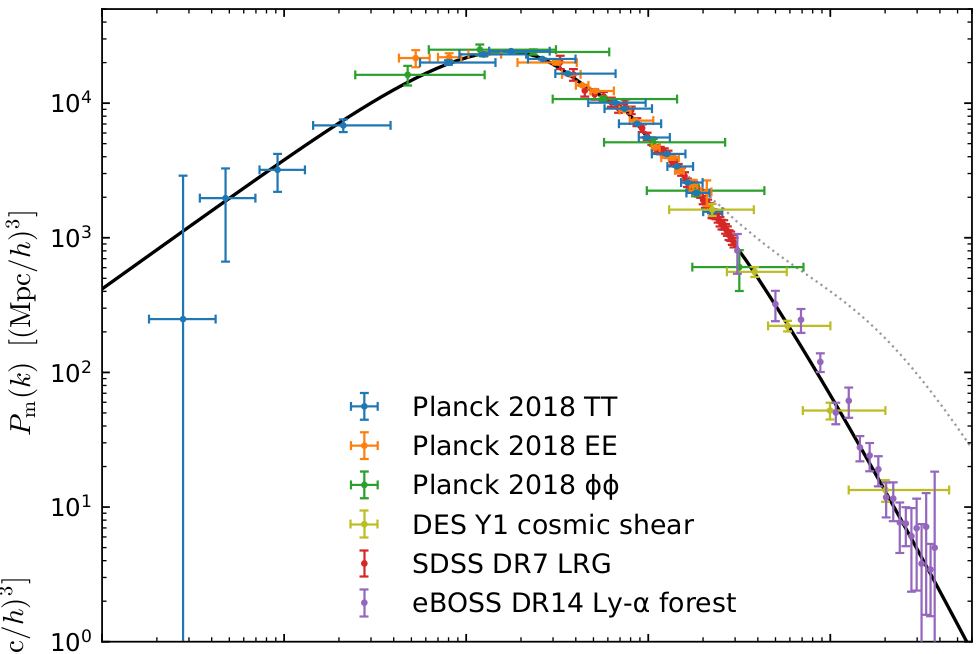

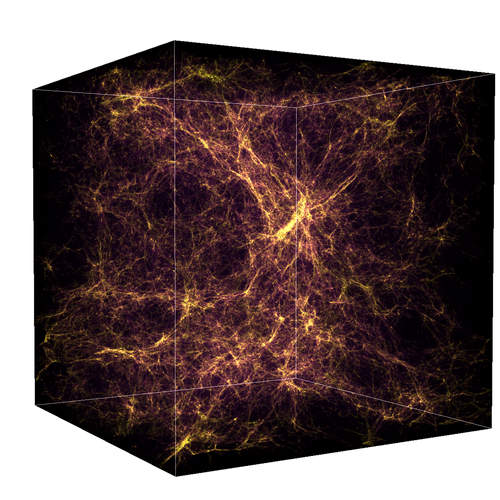
Walther et al. 2021
Chabanier et al. 2019
Corentin Ravoux Duke seminar - july 2025
fσ8 parameter
- Linear perturbation theory:
Cosmic web velocities
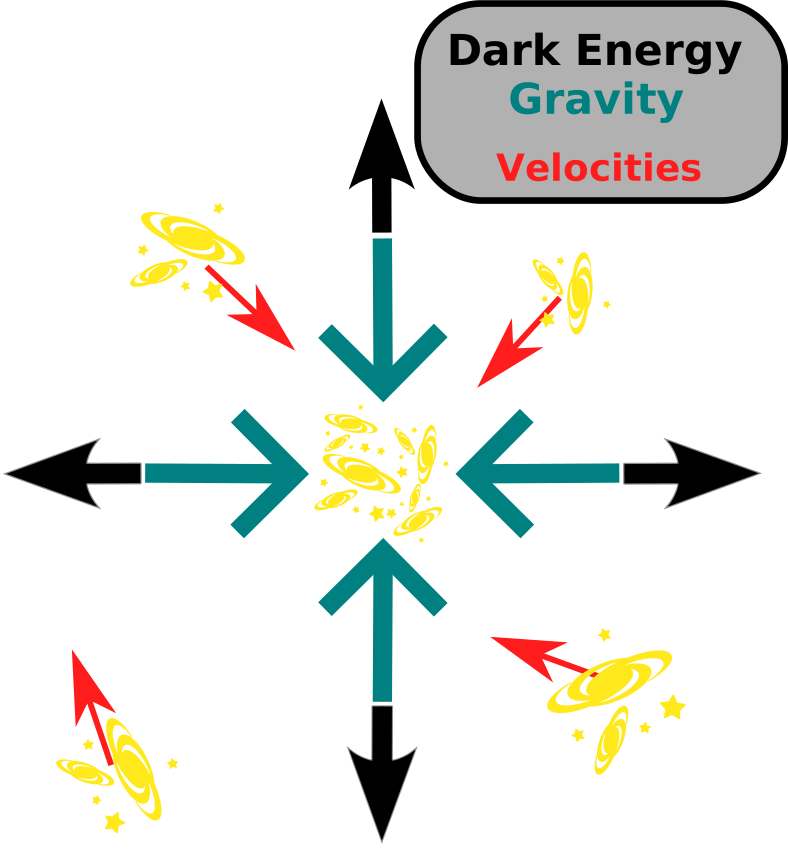
Normalized matter overdensity
Corentin Ravoux Duke seminar - july 2025
fσ8 parameter
- Linear perturbation theory:
Cosmic web velocities
Normalized matter overdensity
Logarithmic growth rate of linear perturbations
8 Mpc/h
Amplitude of the matter perturbations in spheres of 8 Mpc/h comoving radius (matter power spectrum amplitude)
in GR
Corentin Ravoux Duke seminar - july 2025
Measuring fσ8
Peculiar velocities (PV)
Redshift Space Distortions (RSD)
- Direct estimation of velocities
- Need an estimate of redshift ( ) and distance (decoupling from )
- Compute statistics from PV
- Impact of PV on measurements
- Example: galaxy auto-correlation, void cross-correlation, ...
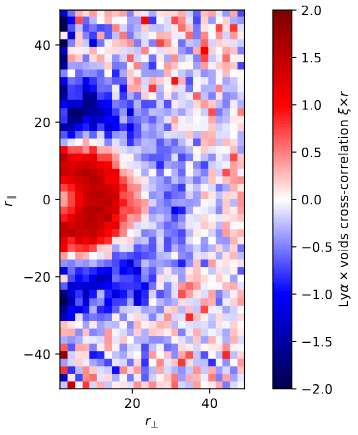
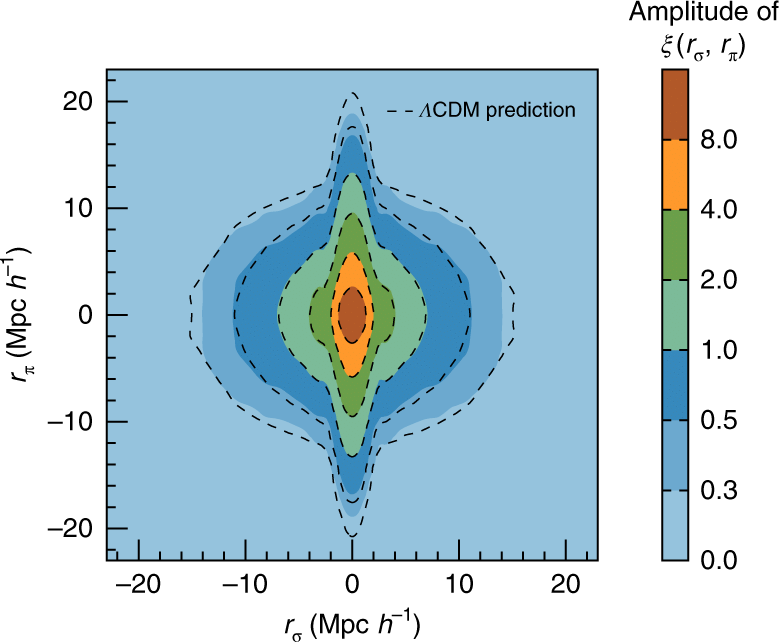
Ravoux et al. 2022
He et al. 2018
Corentin Ravoux Duke seminar - july 2025
fσ8 constraints
- Constrain modified gravity models
- RSD very effective for high redshift
- PV for low redshift
- Improvement with method combination
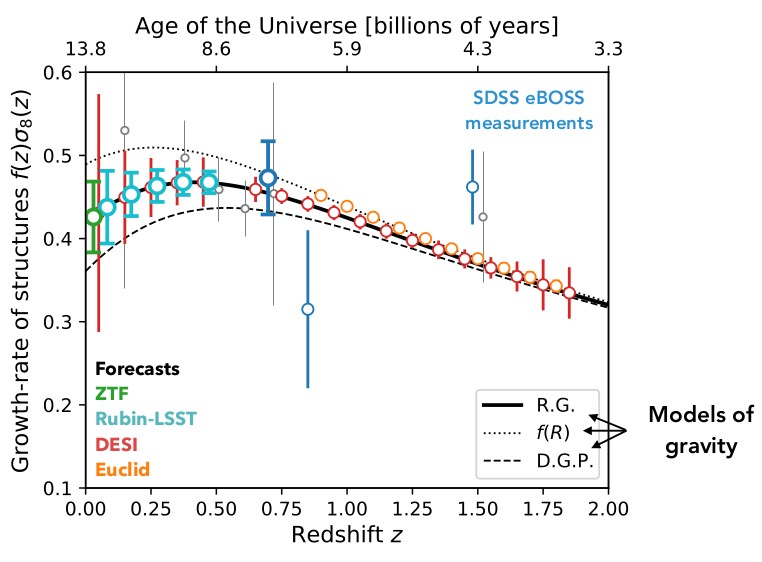
from Julian Bautista
Corentin Ravoux Duke seminar - july 2025
fσ8 measurement with peculiar velocities
ACCEL² simulation
ACCEL² simulation
Corentin Ravoux Duke seminar - july 2025
Hubble diagram
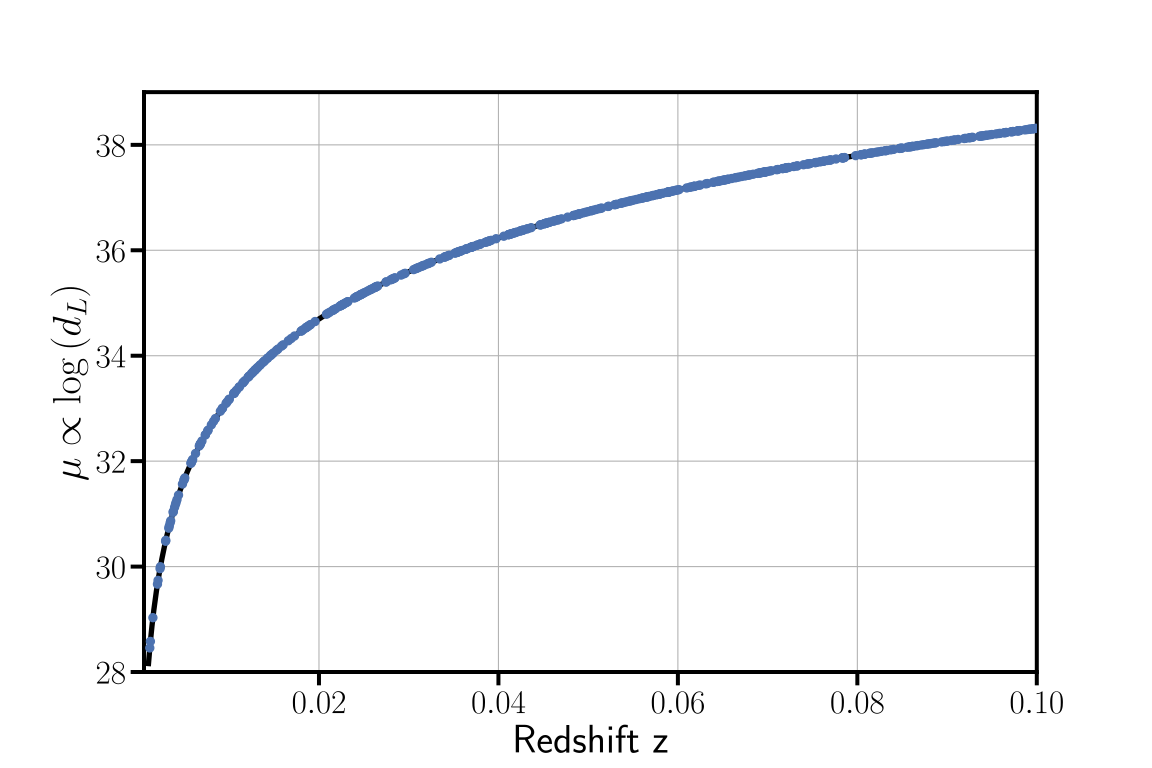
Perfect standard candle in an expanding Universe
from Bastien Carreres
Corentin Ravoux Duke seminar - july 2025
Standard candle = object with fixed luminosity
Hubble diagram
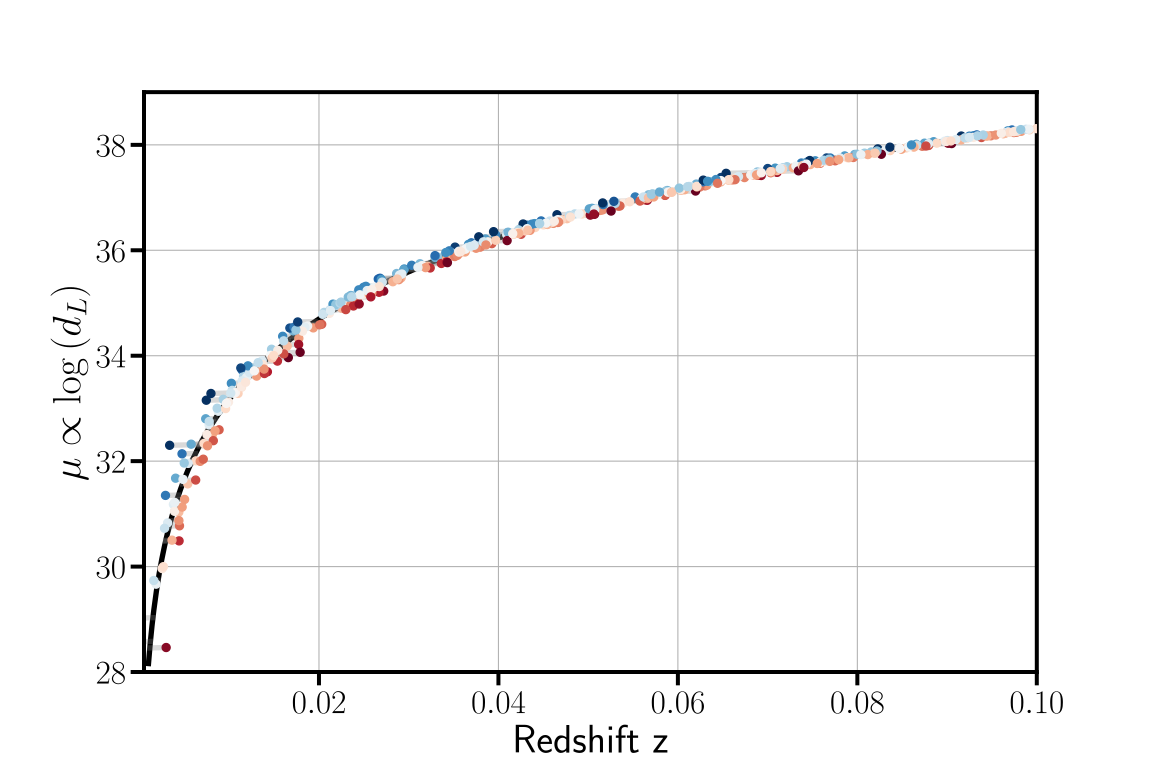
Peculiar velocities
from Bastien Carreres
Perfect standard candle in an expanding Universe
Corentin Ravoux Duke seminar - july 2025
Hubble diagram
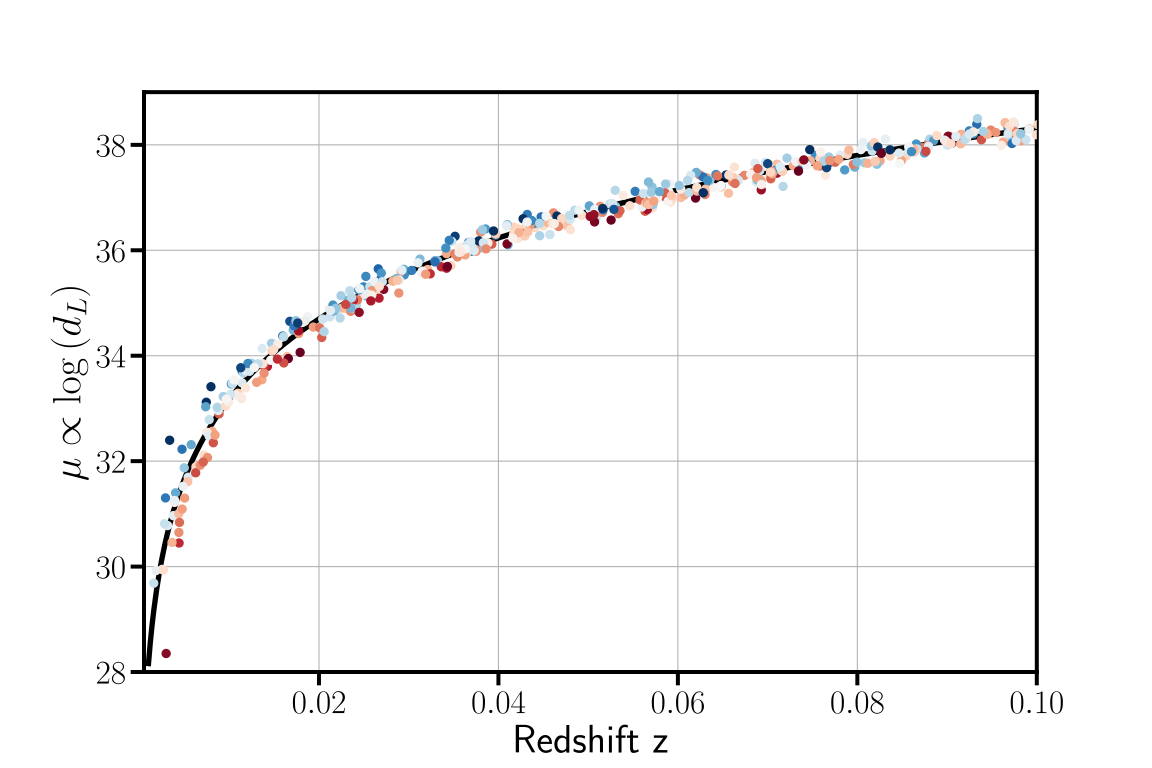
Noise sources (intrinsic scatter, local environment, instruments...)
from Bastien Carreres
Standardizable candle in an expanding Universe
Peculiar velocities
Corentin Ravoux Duke seminar - july 2025
Hubble diagram
from Bastien Carreres
High redshifts = dark energy constraints (w, or w0,wa)
Low redshifts + calibration of the candle luminosity = H0 constraints
Hubble residuals = fσ8 constraints
Corentin Ravoux Duke seminar - july 2025
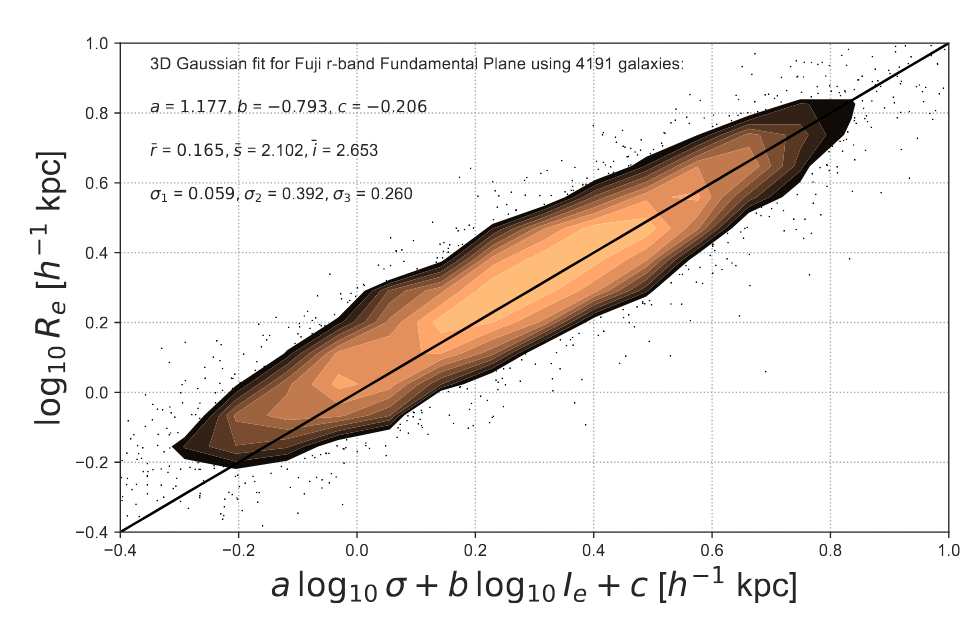
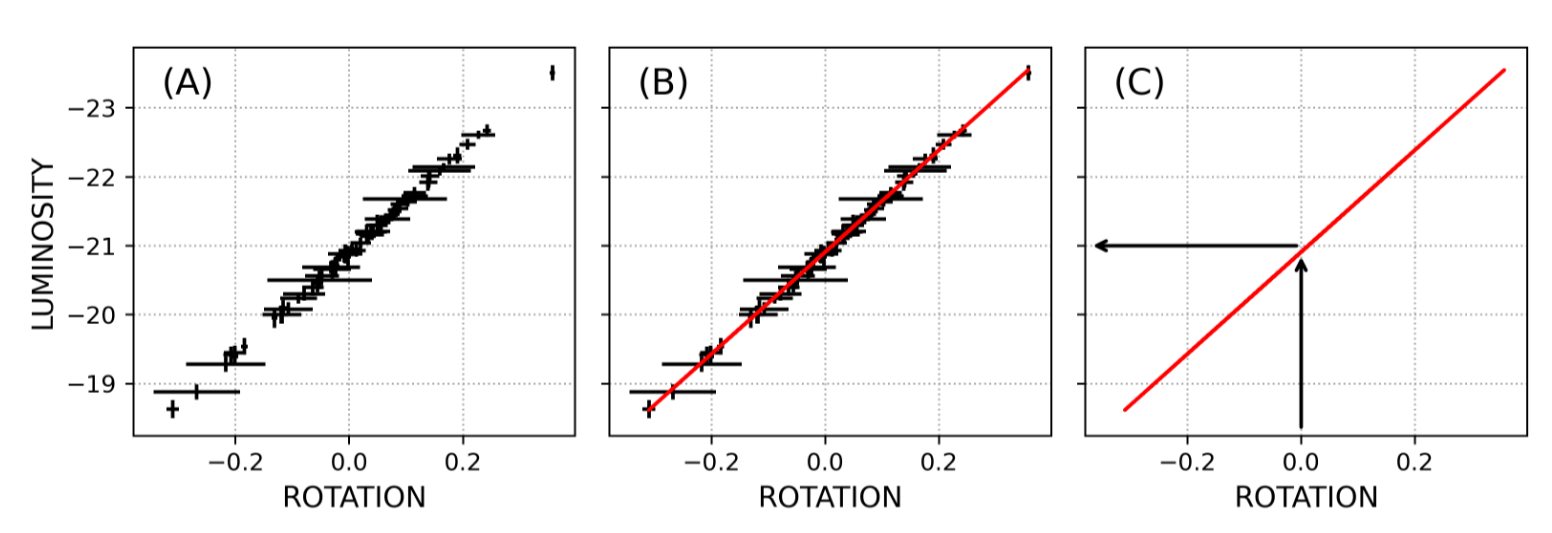
"Not-so" standard candles
Tully-Fisher relation
Fundamental plane relation
- Spiral galaxies (Late-type)
- Absolute magnitude (M) / rotational velocity (W)
- Elliptical galaxies (Early-type)
- Effective radius (Re) / surface brightness (Ie) / stellar velocity dispersion (σ)
Said et al. 2024
Said 2023
Corentin Ravoux Duke seminar - july 2025
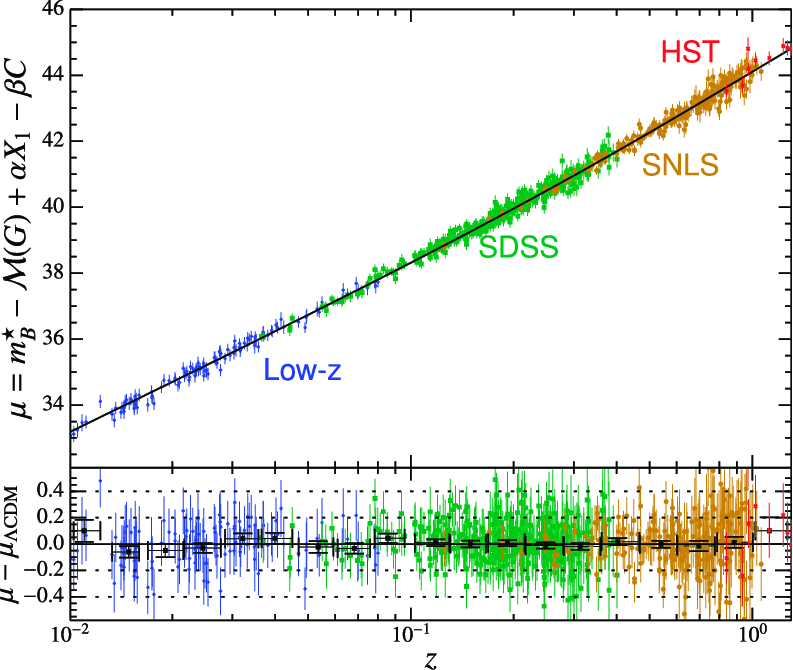
Most standard candle: Type Ia supernovae
- Distance modulus:
Betoule et al. 2014
- SNe Ia standardization = Tripp relation
Light-curve stretch
SN color
Parameters common for all SN Ia
"Redder is fainter"
"Luminous fade slowly"
Corentin Ravoux Duke seminar - july 2025
- SNe Ia: Thermonuclear explosion a white dwarf reaching Chandrasekhar mass
Most standard candle: Type Ia supernovae
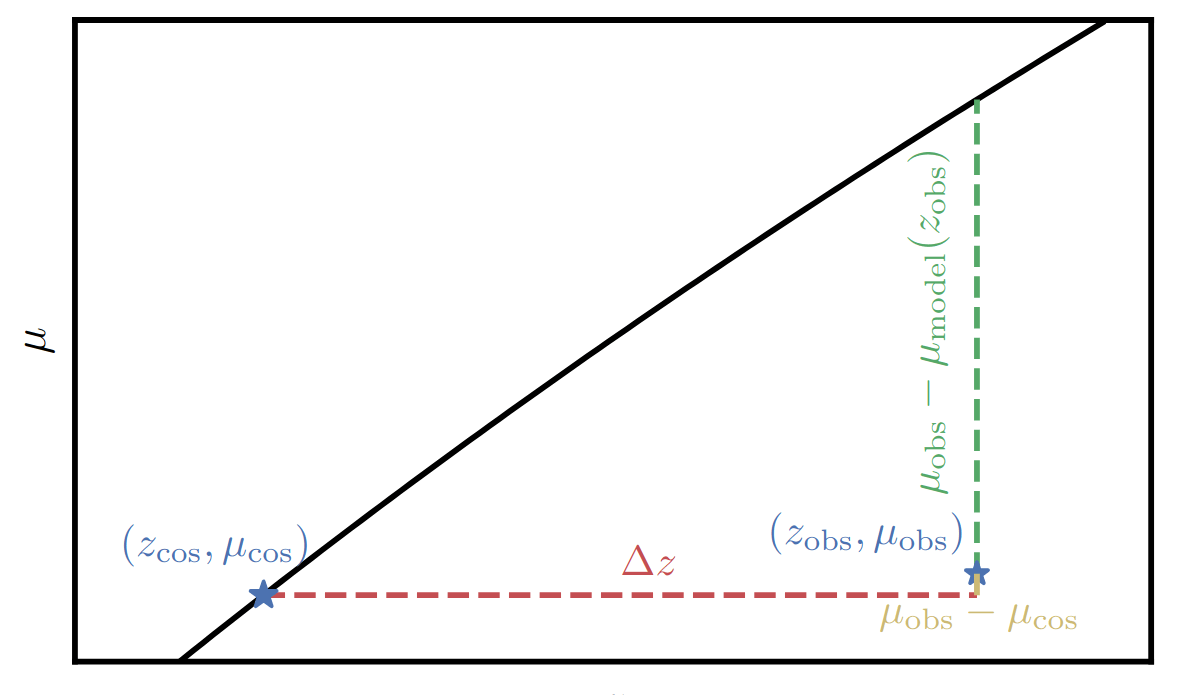
- Hubble residuals:
- Velocity estimator:
Carreres et al. 2023
Corentin Ravoux Duke seminar - july 2025
Likelihood-based field-level inference
ACCEL² simulation
ACCEL² simulation
Carreres et al. 2023
Ravoux et al. 2025
Corentin Ravoux Duke seminar - july 2025
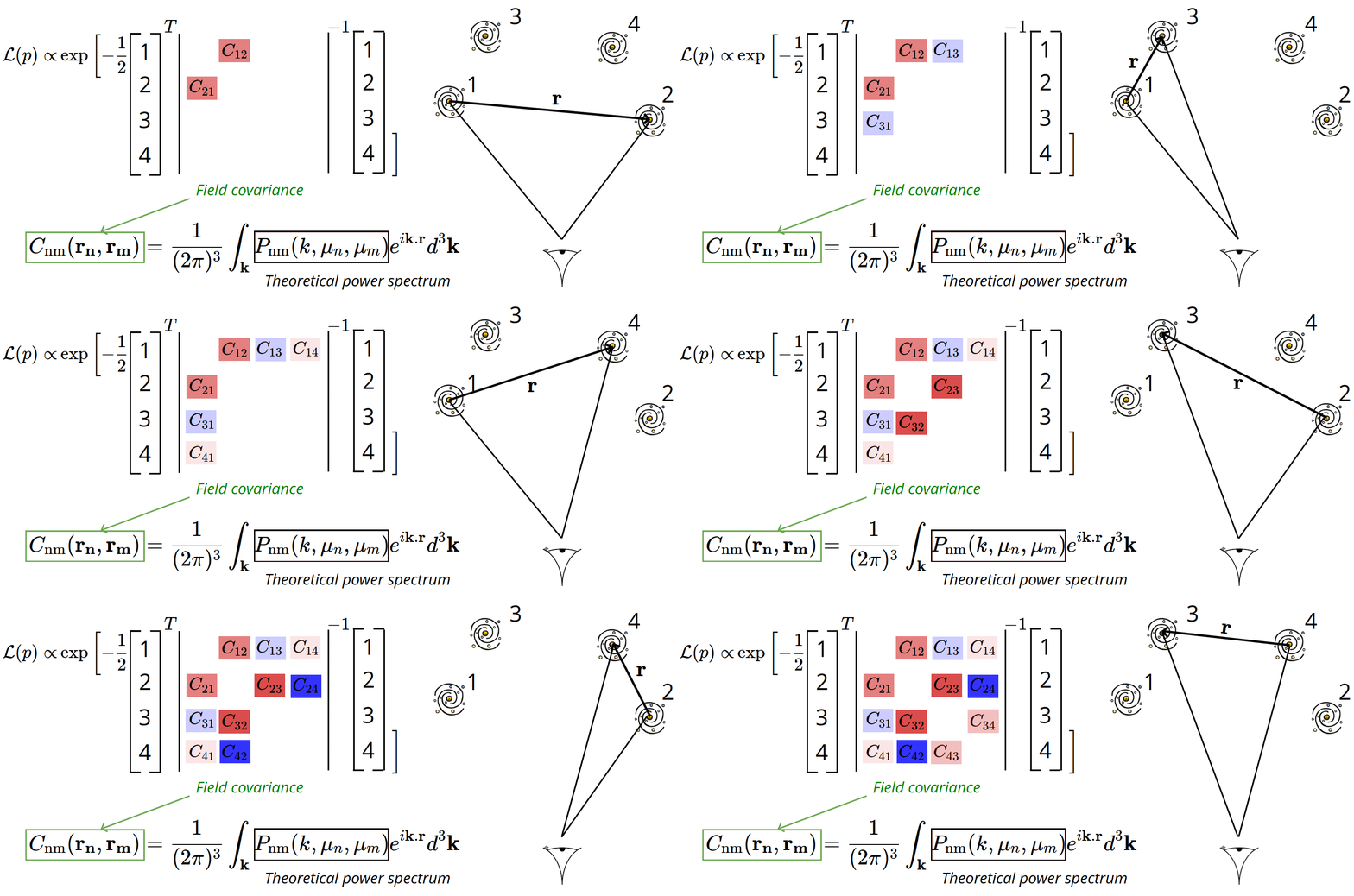
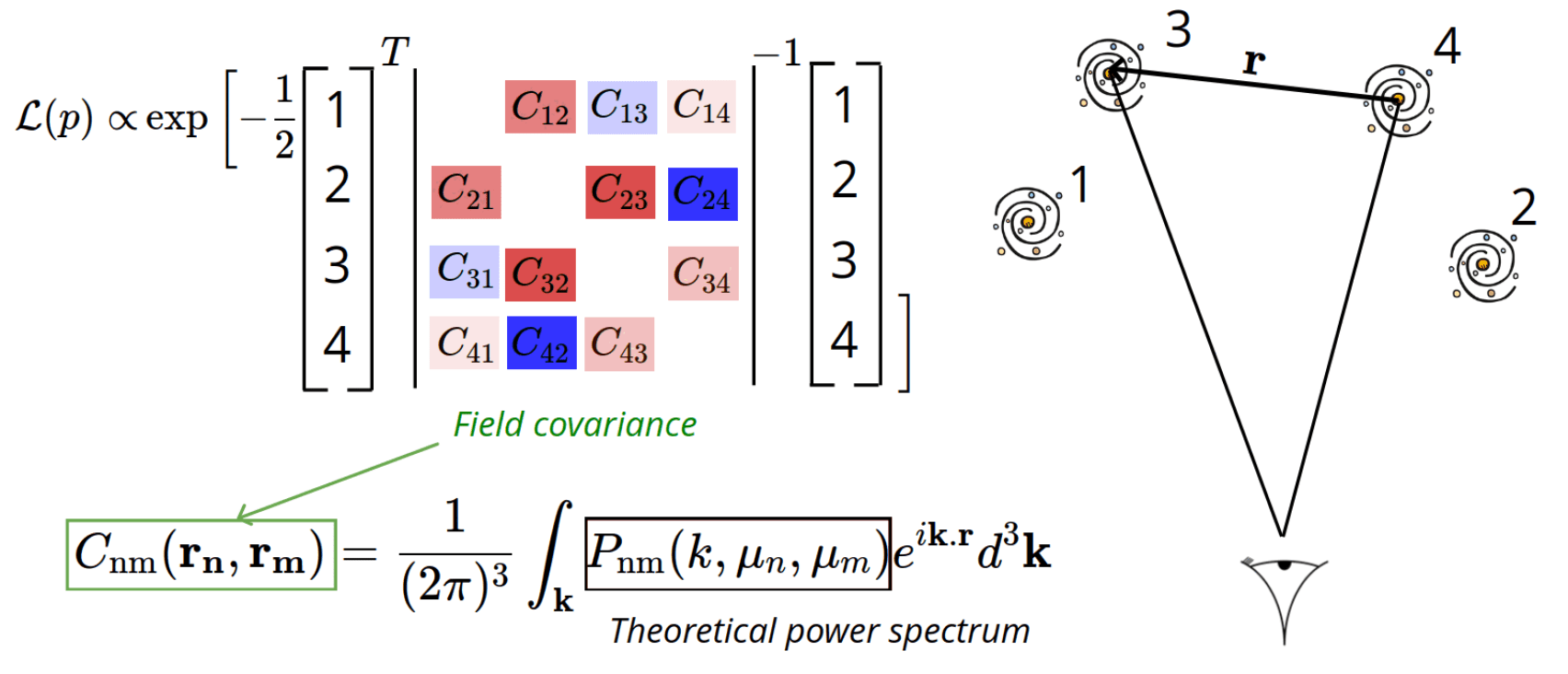
Likelihood-based field-level estimator
Velocity from SNe Ia
Field covariance matrix computed from theory and SNe Ia coordinates
- Purpose: Maximizing or sampling a likelihood computed from all coordinates of the data
- p = fitted parameters: simultaneously cosmology (fσ8) and field parameters (e.g., Hubble diagram parameters α, β, M0 for SN)
Parameters
Corentin Ravoux Duke seminar - july 2025
Computing the field covariance
Corentin Ravoux Duke seminar - july 2025
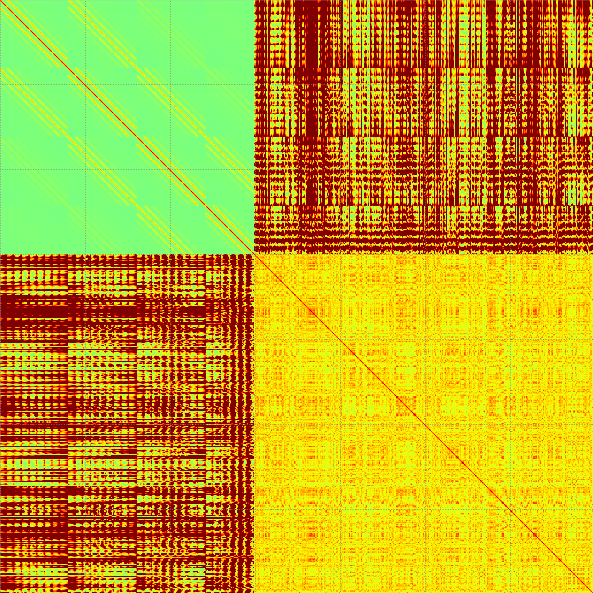
Combining densities (RSD) and peculiar velocities
SNe Ia velocities
Density field from galaxy surveys
Full field covariance matrix
Corentin Ravoux Duke seminar - july 2025
General covariance calculation
- Objective: Improve/Extend the likelihood-based modeling
- General form of field power spectrum
- Algorithmically-oriented calculations (Hankel transforms)
- Wide-angle effect accounted in the integration
gg, gv, vv
Corentin Ravoux Duke seminar - july 2025
flip Field Level Inference Package
- python package for likelihood-based field-level inference:
https://github.com/corentinravoux/flip
- Fast generation of field covariance
- MCMC and Minuit to fit fσ8
- General expression for vectors (SNIa, density, log distance, TF, FP...)
Flip article: arxiv:2501.16852
Contributors: Bastien Carreres, Damiano Rosselli and Alex G. Kim
Corentin Ravoux Duke seminar - july 2025
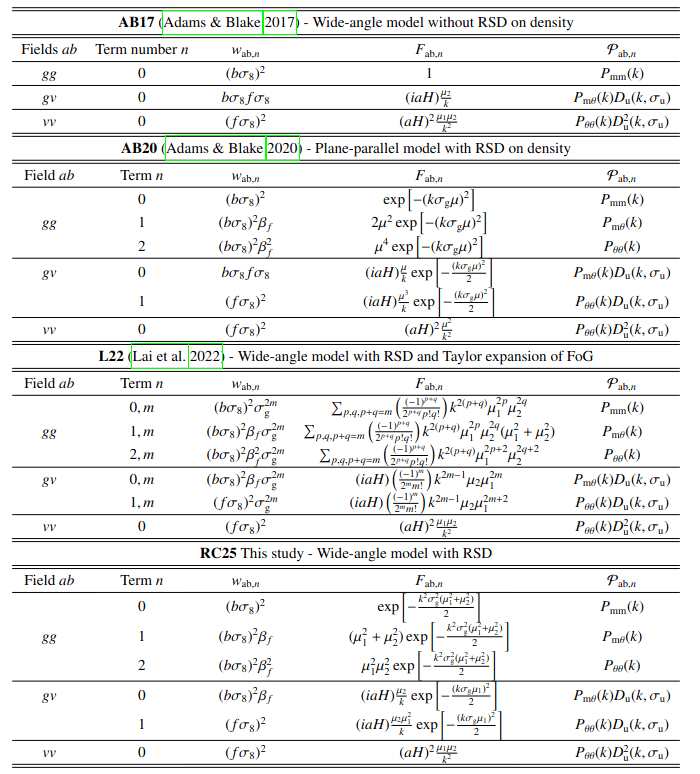
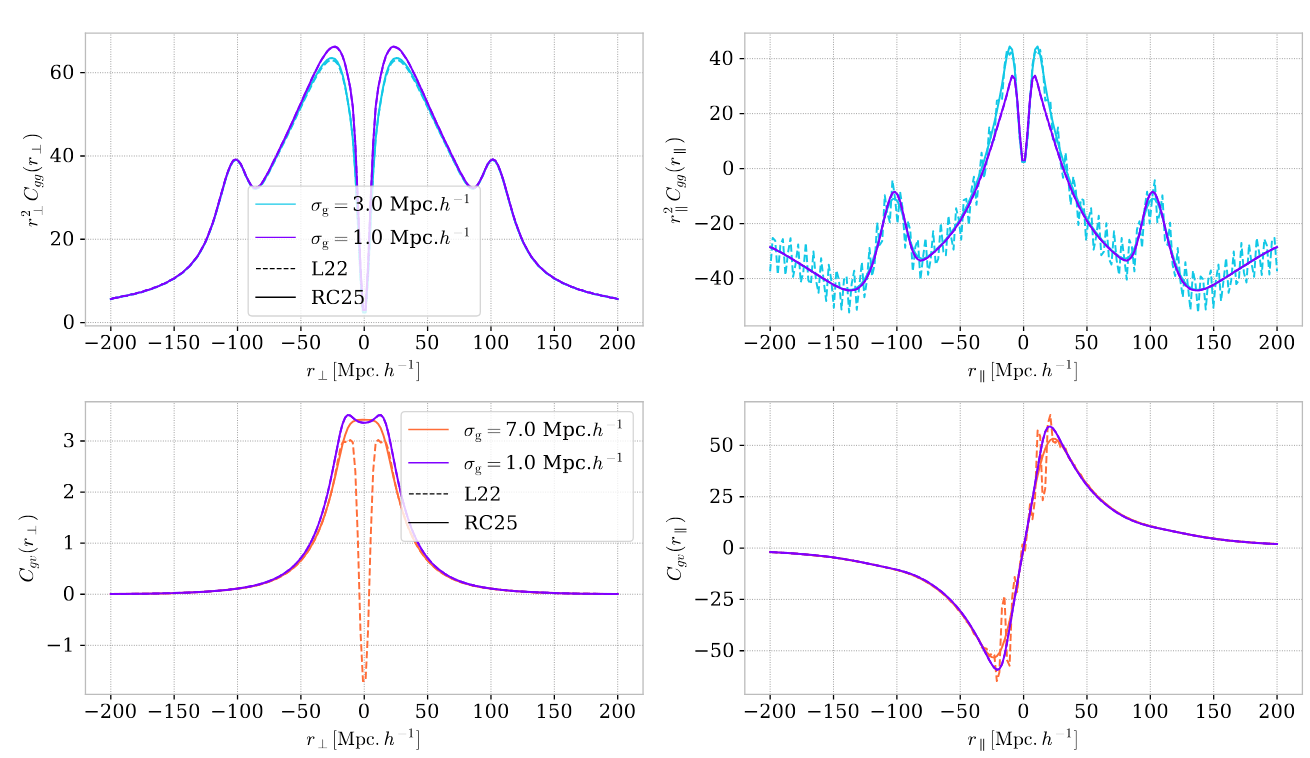
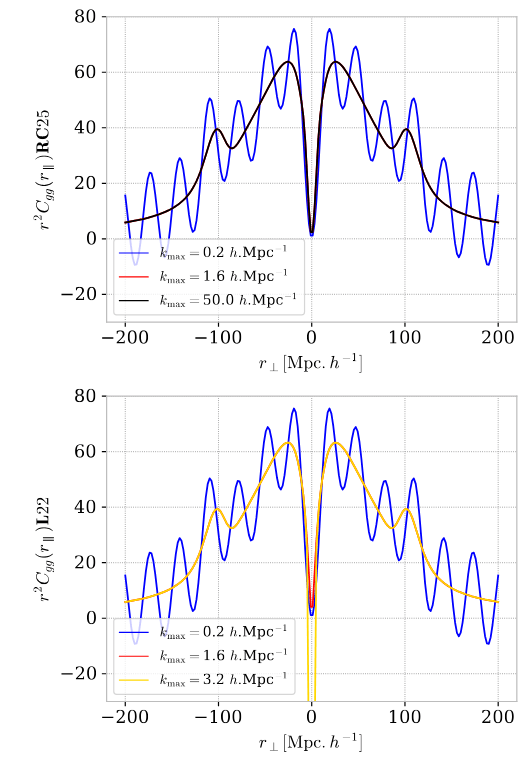
Field covariance models
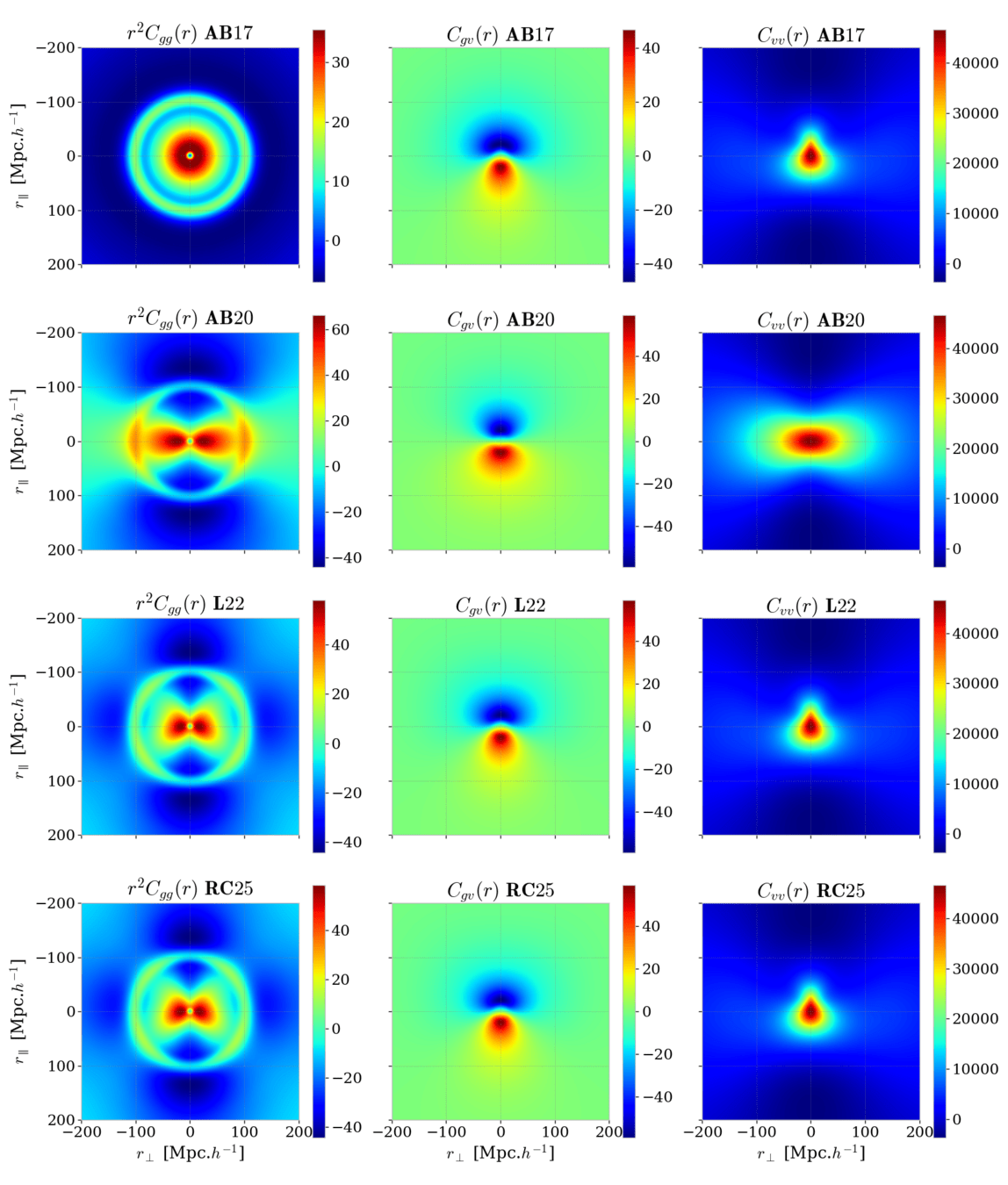
- Model comparison on a regular coordinate grid (Adams & Blake 2017, Adams & Blake 2020, Lai et al. 2022)
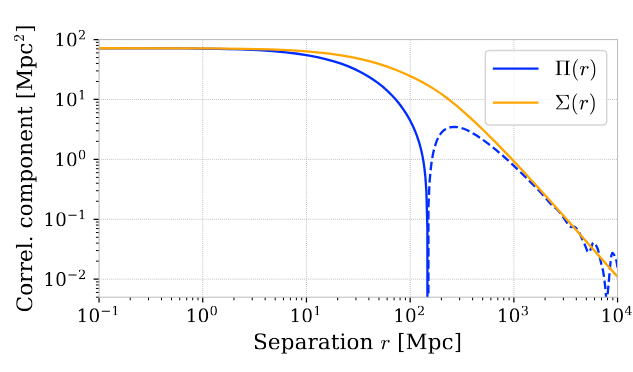
- New wide-angle model developed (RC25): improved stability in integration and for wider fitting parameter ranges
Ravoux et al. 2025
Corentin Ravoux Duke seminar - july 2025
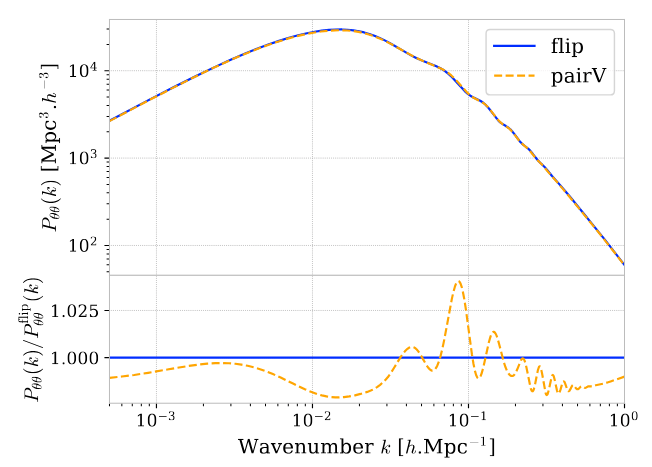
flip validations
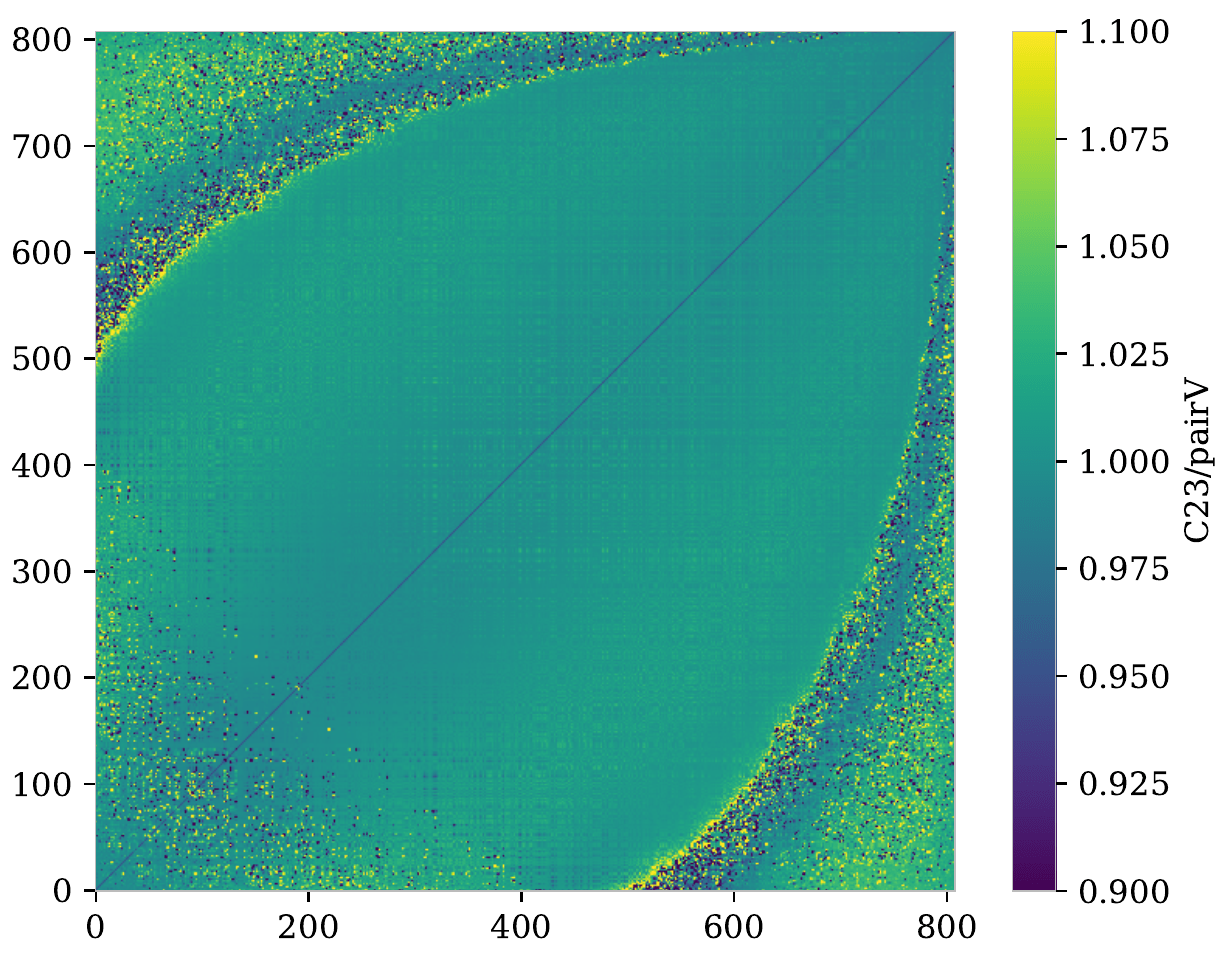
- Field covariance comparison with pairV Anthony Carr & David Parkinson
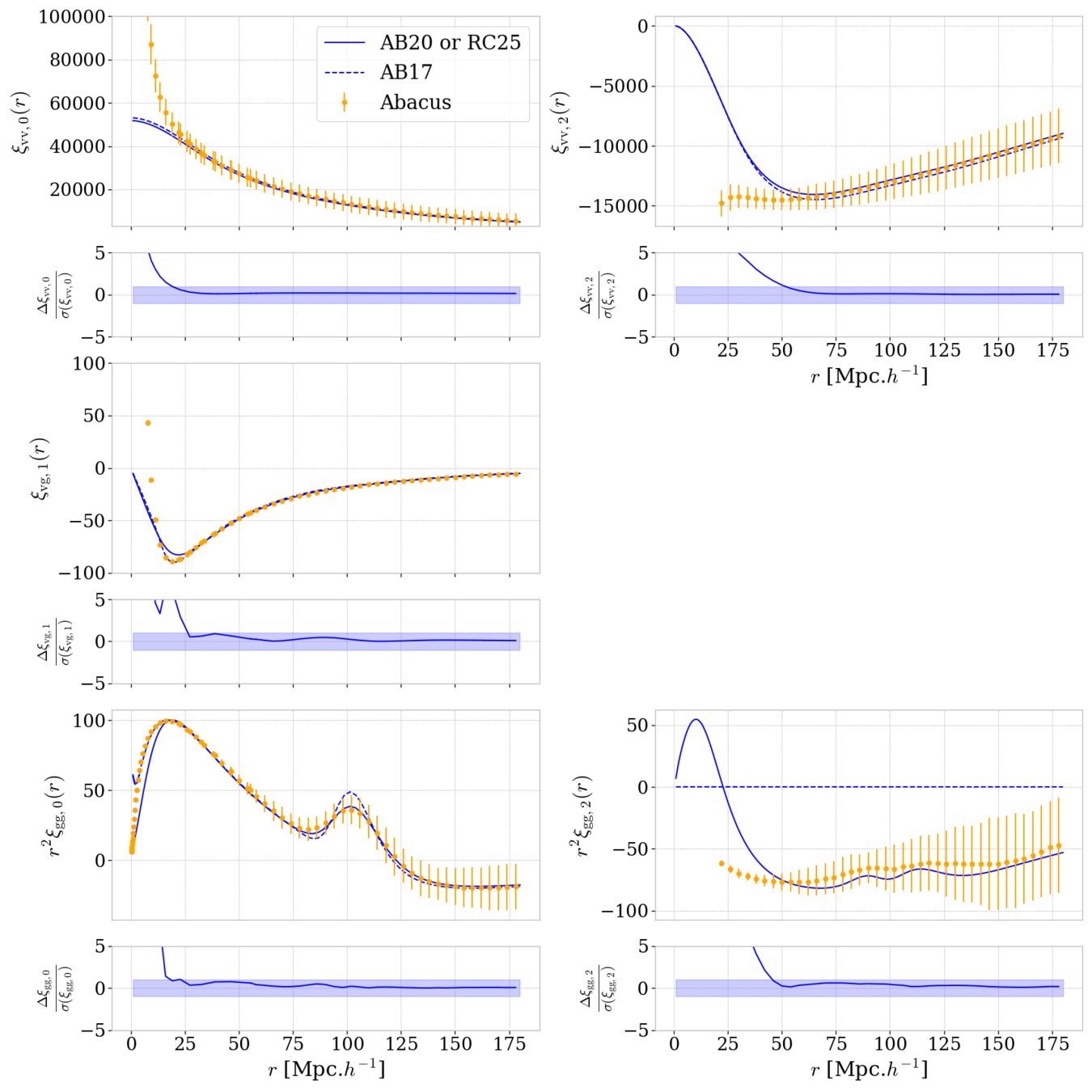
- Model validated on N-body simulations Tyann Dummerchat
Disagreement due to different power spectrum model
Ravoux et al. 2025
Ravoux et al. 2025
Corentin Ravoux Duke seminar - july 2025
fσ8 constraints on ZTF & LSST simulations
ACCEL² simulation
ACCEL² simulation
Carreres et al. 2023
Carreres et al. 2025
Rosselli et al. 2025
Corentin Ravoux Duke seminar - july 2025
ACCEL² simulation
Zwicky Transient Facility (ZTF)
-
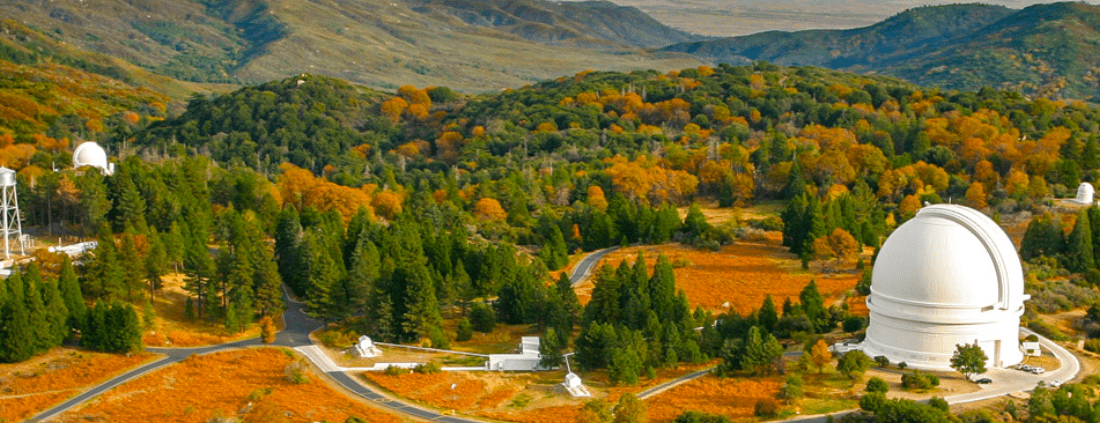
ZTF = high-cadence photometric telescop in the Palomar observatory
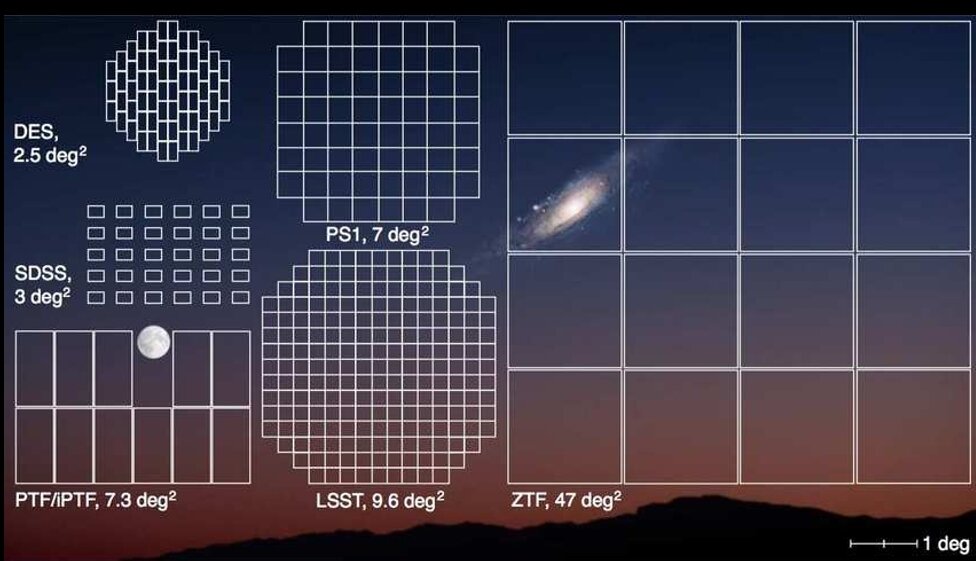
- Very large field of view (47 deg²)
- Observing 3/4 of the sky every nights with 3 filters (g, r, i)
- Transient sky: Supernovae, gamma ray burst, tidal distruptive events, comets, asteroids
Dedicated spectroscopic telescope measuring transient spectra (SEDmachine)
Corentin Ravoux Duke seminar - july 2025
Rubin - LSST
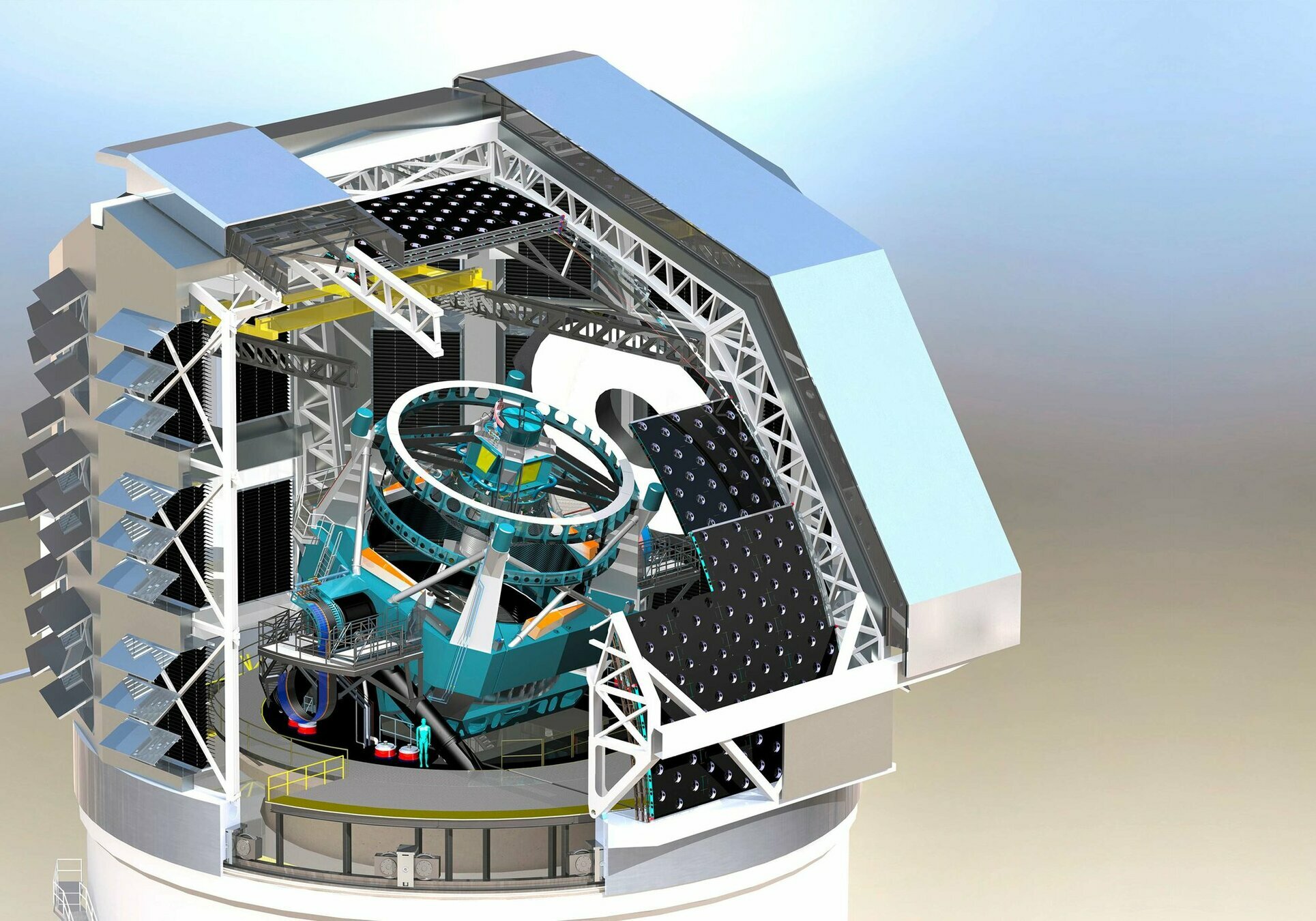
Telescope mount assembly
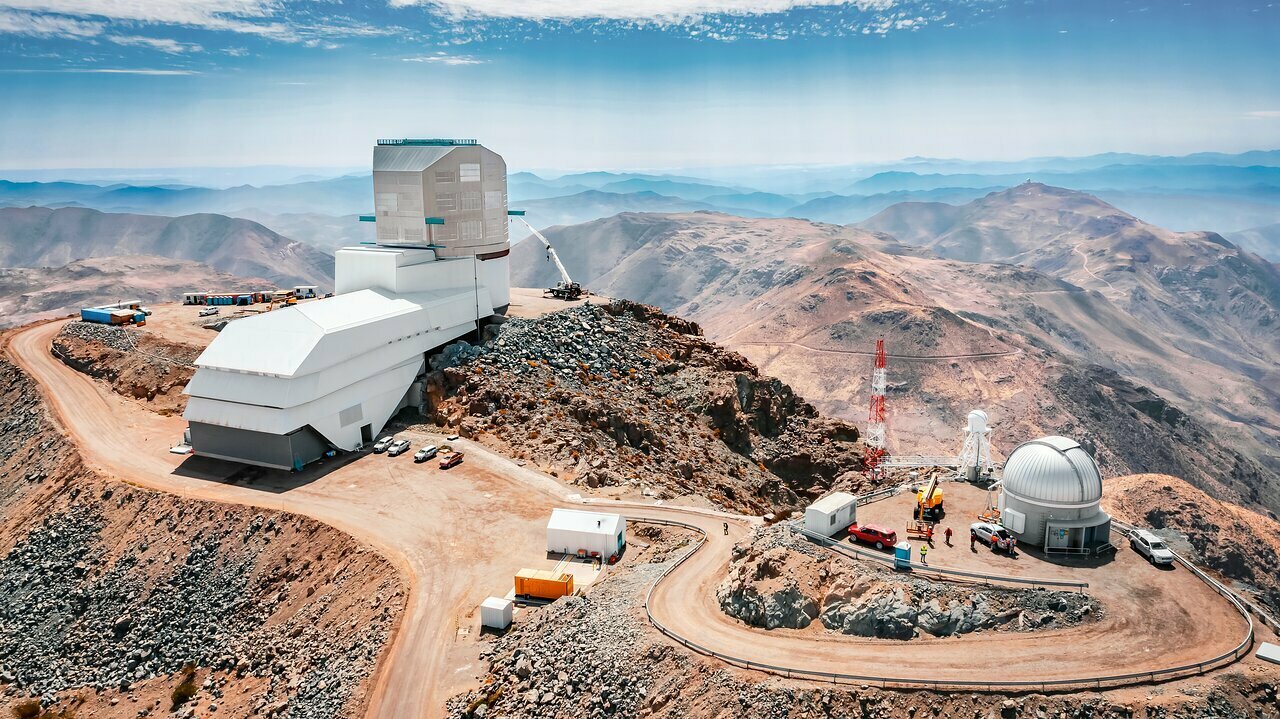
AuxTel: 1.2m atmospheric telescop
Corentin Ravoux Duke seminar - july 2025
Rubin - LSST: instrument
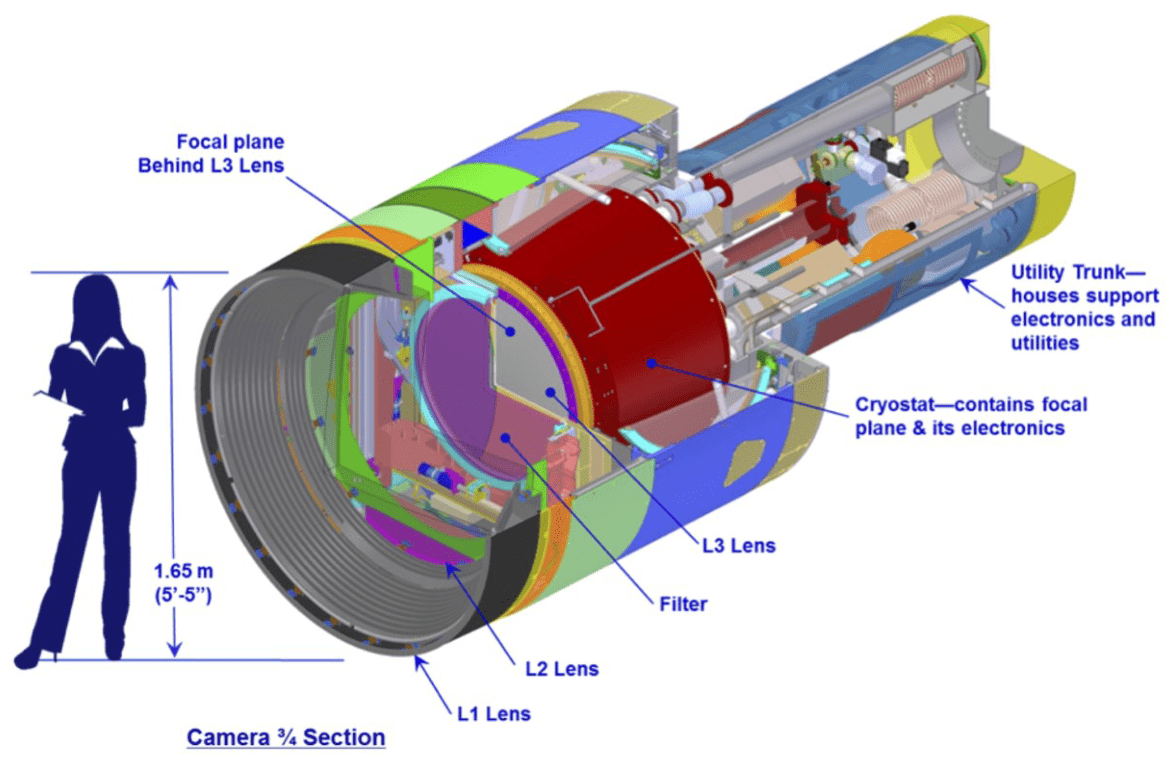
- Largest numerical camera in the world: 3.2 Gpixels with 2s readout time
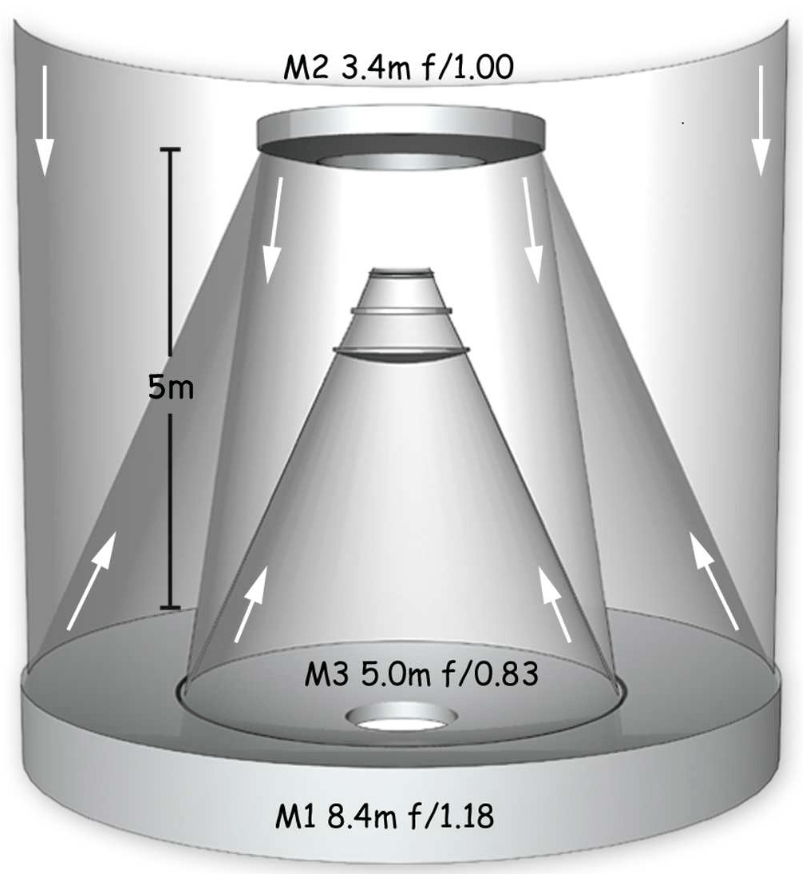
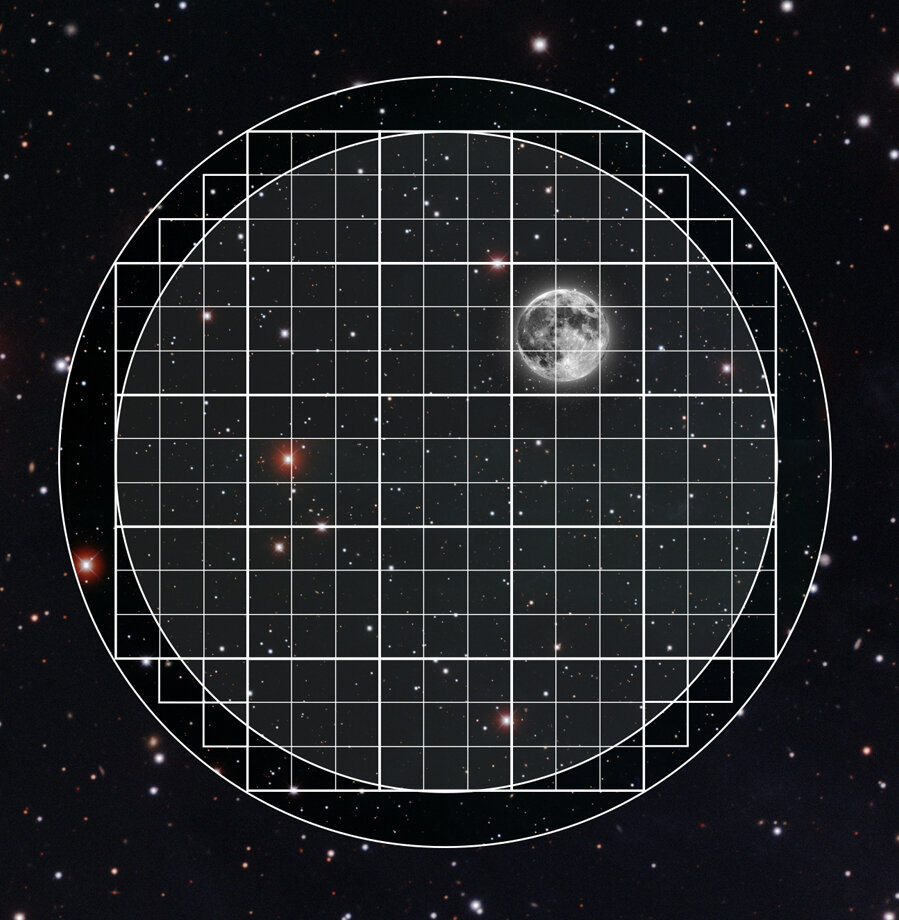
- 8.4 m primary mirror and 9.6 deg² field of view
- 6 filters: (u, g, r, i, z, y)
- 10-year photometric survey of half of the sky (~ 20 000 deg²)
Corentin Ravoux Duke seminar - july 2025
SN Ia simulation and analysis

SN Ia simulator
Survey parameters
SN Ia model
N-body host simulation
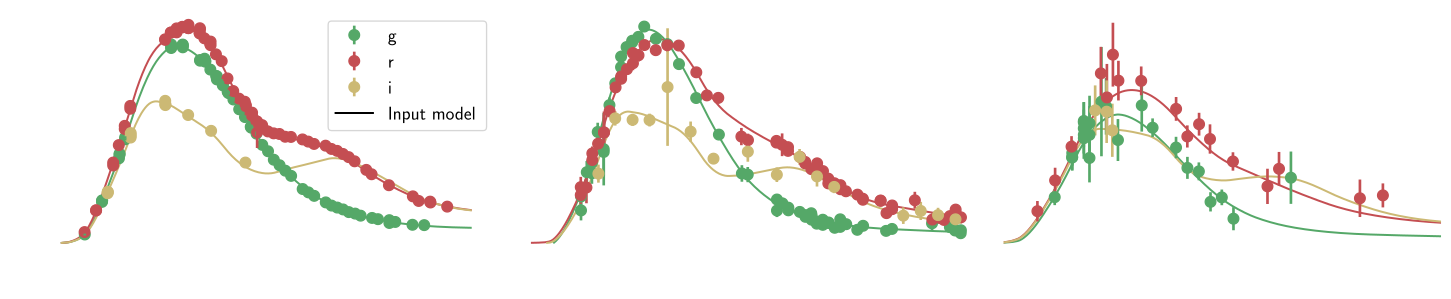
Realistic SN Ia light curves
Quality cuts
(Detection, spec-z selection, light curve quality...)
Light curve fit (SALT2)
Velocity estimation and simultaneous fit of fσ8 and velocity parameters
Simulation
Analysis
Corentin Ravoux Duke seminar - july 2025
snsim
https://github.com/bastiencarreres/snsim
- Survey parameters: Cadence (ZTF, LSST), CCD gain, zero point, sky noise
- SN Ia model: Rate, SED, color, stretch, intrinsic scattering distributions, light-curve parameters
- Host catalog: Use velocities and associated clustering from N-body simulation
Flux
Phase
Phase
Phase
Carreres et al. 2023
Main contributors: Bastien Carreres, Damiano Rosselli
Corentin Ravoux Duke seminar - july 2025
ZTF simulations
- 27 realizations from OuterRim (Heitmann et al. 2019) sub-volumes
- ZTF 6 years simulations
- Cadence from ZTF logs
- Detection efficiency cuts: ZTF and SEDmachine detection
- Model for velocities:
Volumic rate
Photo-detected
Spectro-typed
Carreres et al. 2023
Corentin Ravoux Duke seminar - july 2025
ZTF results
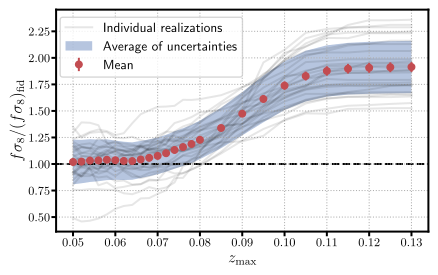
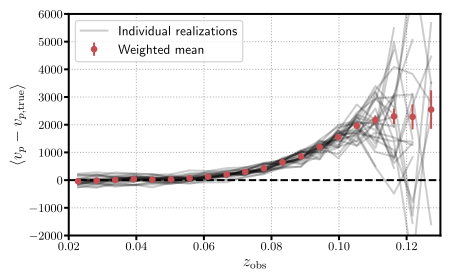
- SN Ia selection bias causes velocity & fσ8 bias at high redshift
- No fσ8 error bar improvement even with correction
- Maximum redshift usable:
Carreres et al. 2023
Carreres et al. 2023
Corentin Ravoux Duke seminar - july 2025
ZTF results
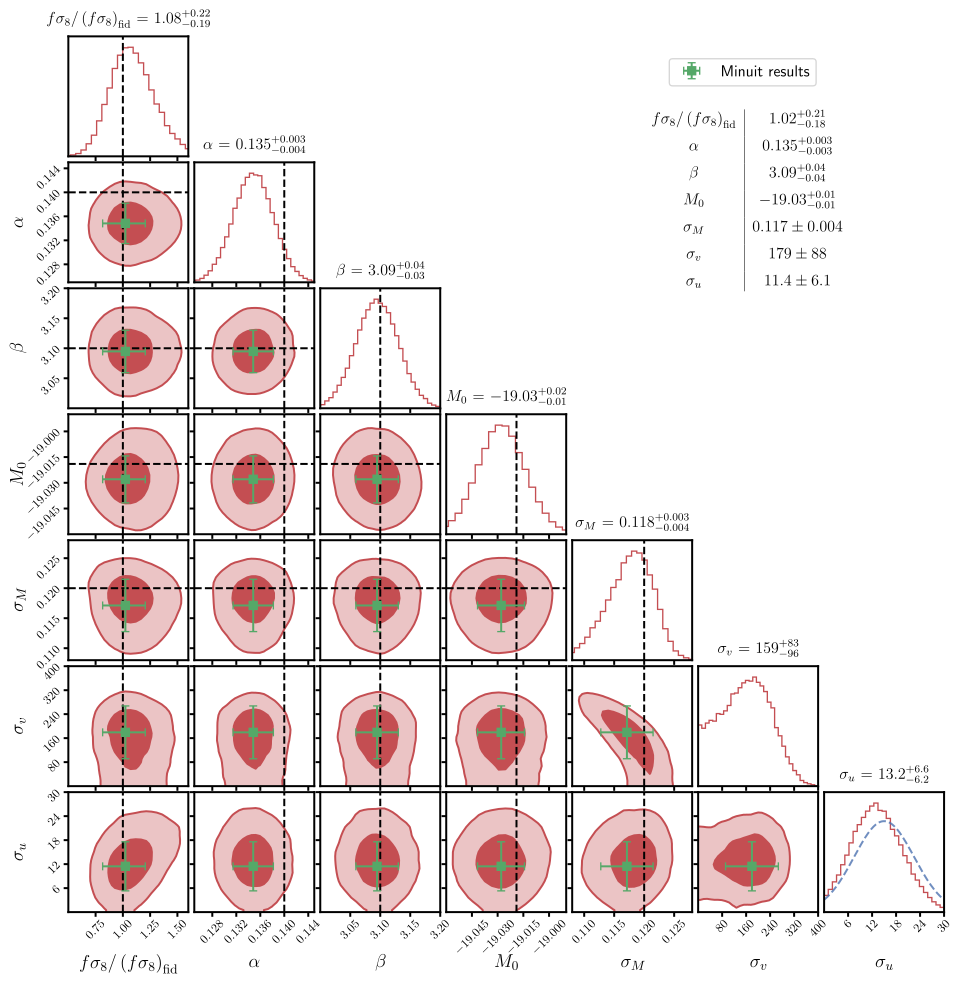
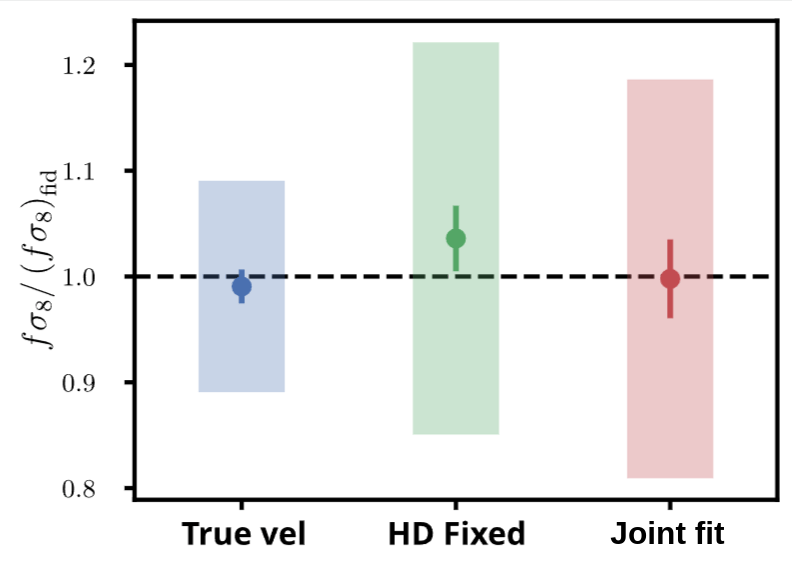
- fσ8 fit performed with Hubble diagram parameters
- no fσ8 bias on the 27 simulations
- 19 % precision measurement with only 1600 SNe Ia
Carreres et al. 2023
Carreres et al. 2023
Corentin Ravoux Duke seminar - july 2025
LSST simulations
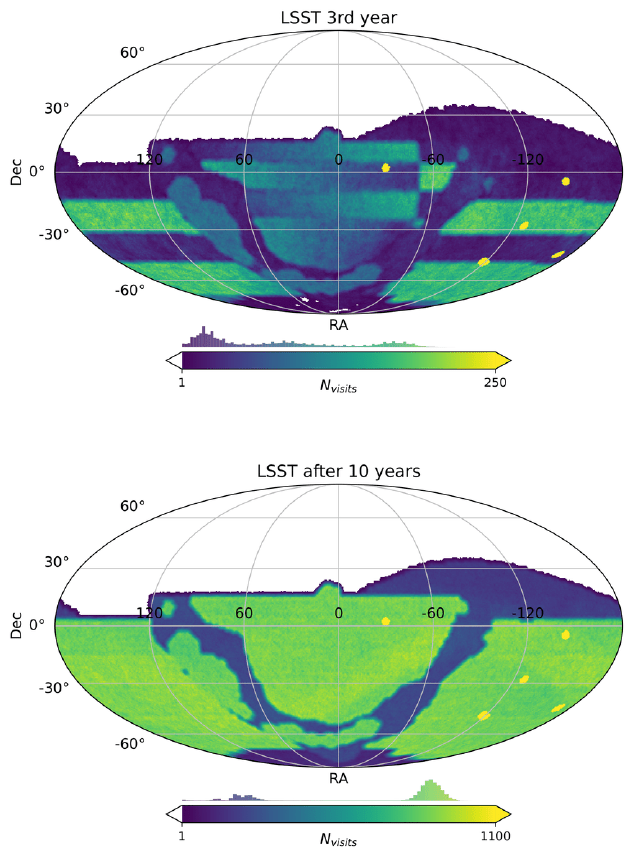
- 10 year simulation from Uchuu-UniverseMachine (Behroozi et al. 2019)
- Cadence and instrument properties from the observing strategy simulation v3.3
Corentin Ravoux Duke seminar - july 2025
Rosselli et al. 2025
LSST simulations
-
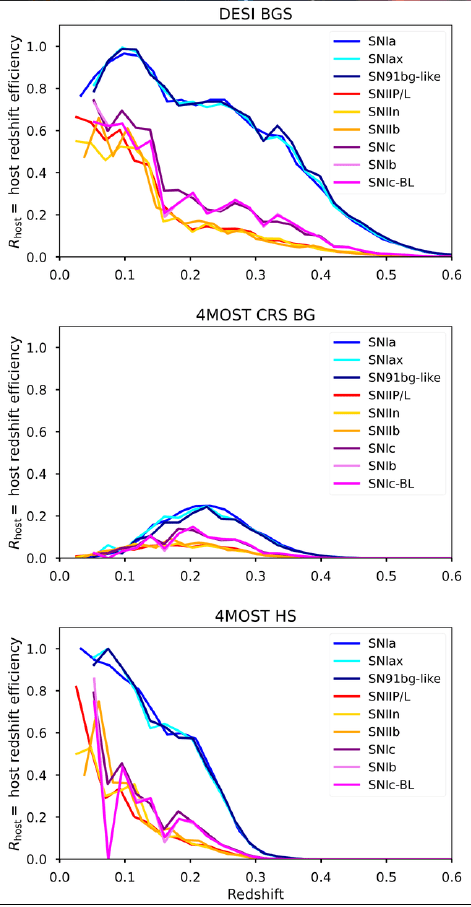
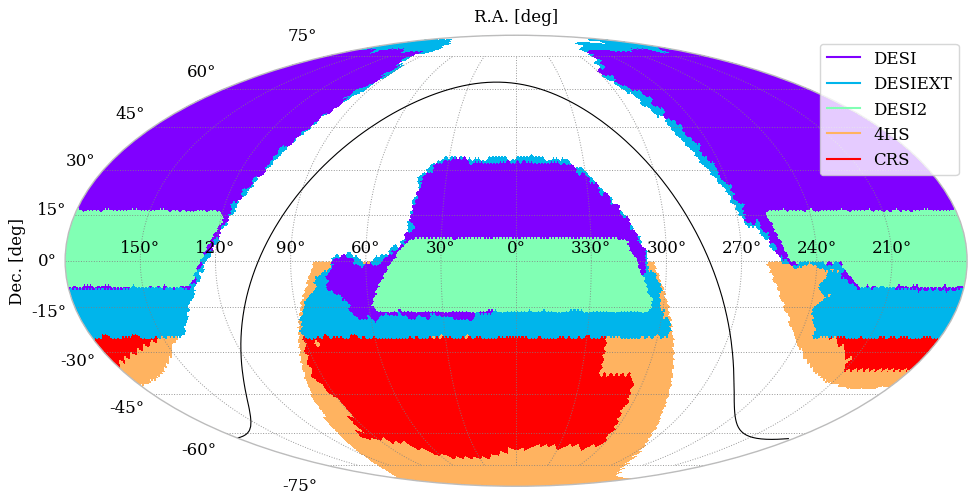
SN host redshift efficiency (C. Ravoux, P. Gris, D. Rosselli, J. Bautista):
- Use of DC2 LSST simulation with galaxy properties
- Footprint and efficiency for different spectroscopic survey
- Considering SNe variety contamination
Corentin Ravoux Duke seminar - july 2025
Rosselli et al. 2025
LSST simulations
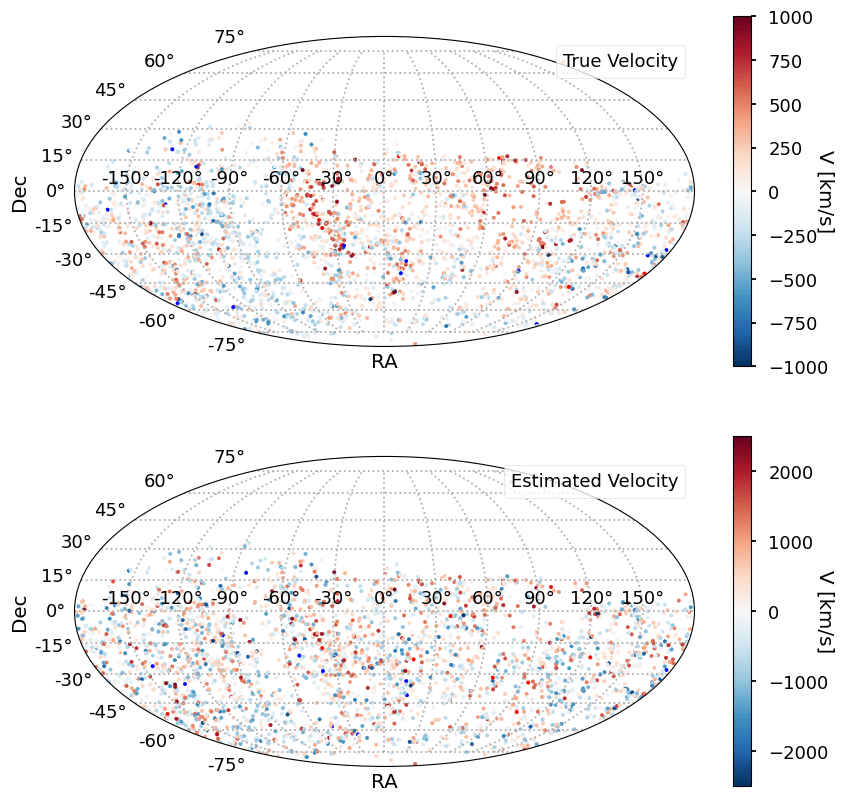
- 33,000 SNe Ia with spectro-z at z < 0.16 (among 1M for the full sample)
- Photo-typing with SuperNNovae (Moller et al. 2019) gives 0.02% contamination from peculiar SN
Rosselli et al. 2025
Corentin Ravoux Duke seminar - july 2025
LSST results
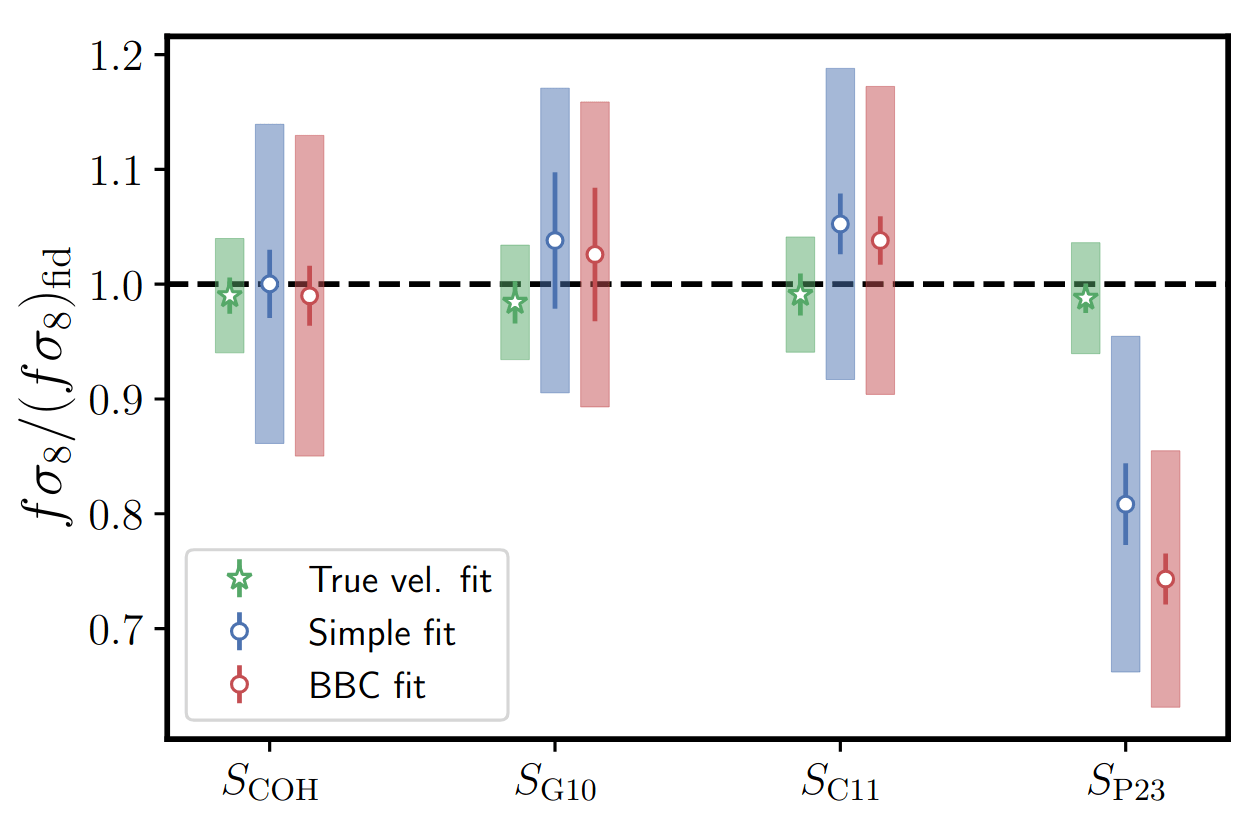
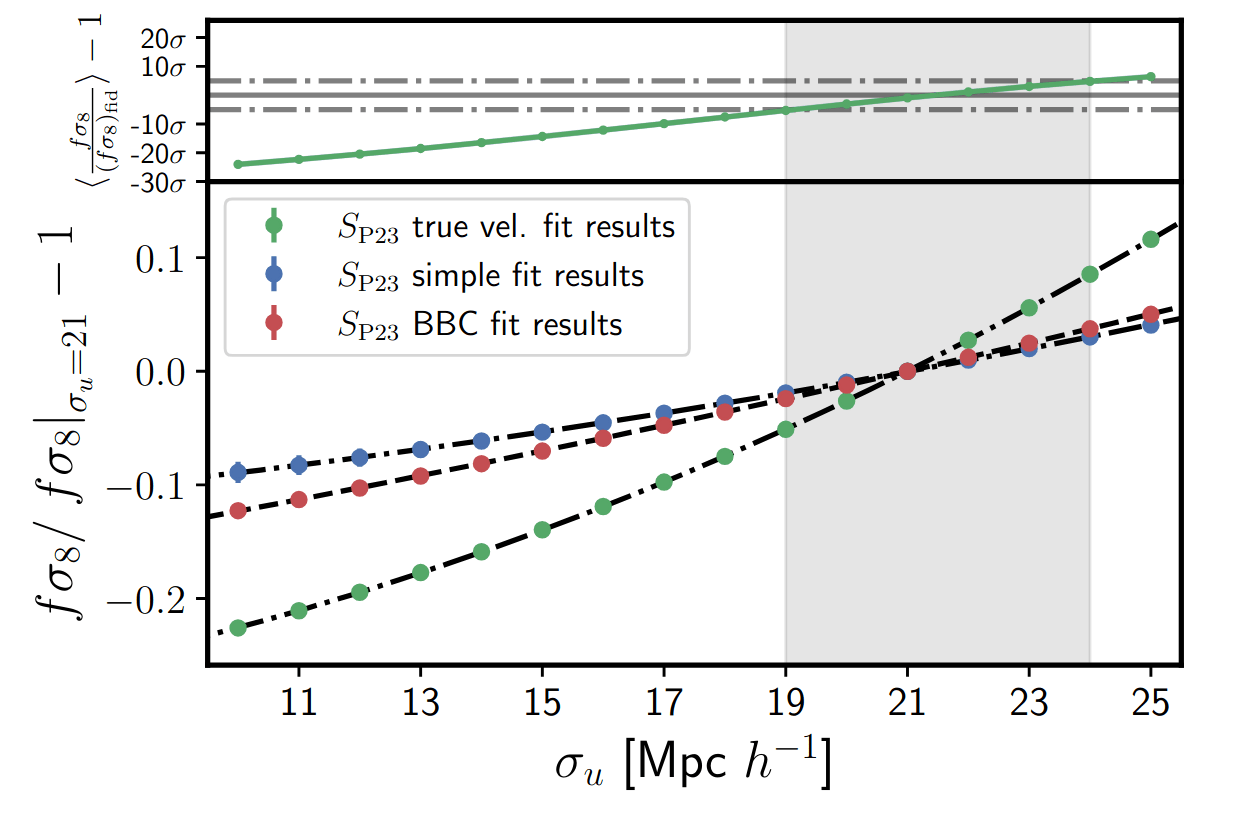
- Dedicated study to test BBC framework and check the impact of intrinsic scatter model and nuisance parameter ( = dispersion of velocity position)
Corentin Ravoux Duke seminar - july 2025
Carreres et al. 2025
LSST results
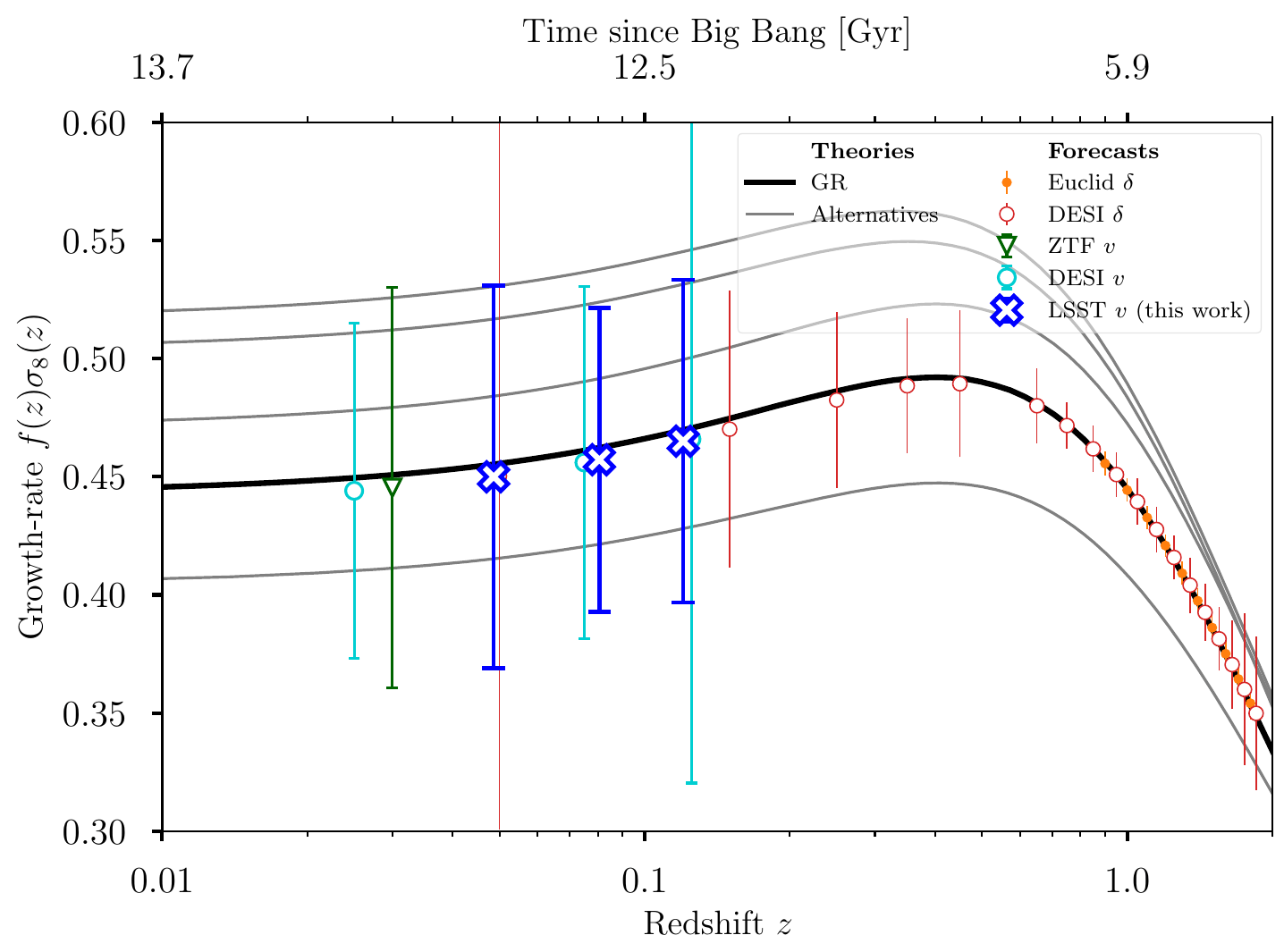
- Unbiased fσ8 measurement with full Hubble diagram fit over 3 redshift points
- How can we do better ? Combine with density field
Corentin Ravoux Duke seminar - july 2025
Rosselli et al. 2025
Combining DESI galaxy density and ZTF SNIa velocities on simulation
ACCEL² simulation
Ravoux et al. in prep.
Corentin Ravoux Duke seminar - july 2025
DESI
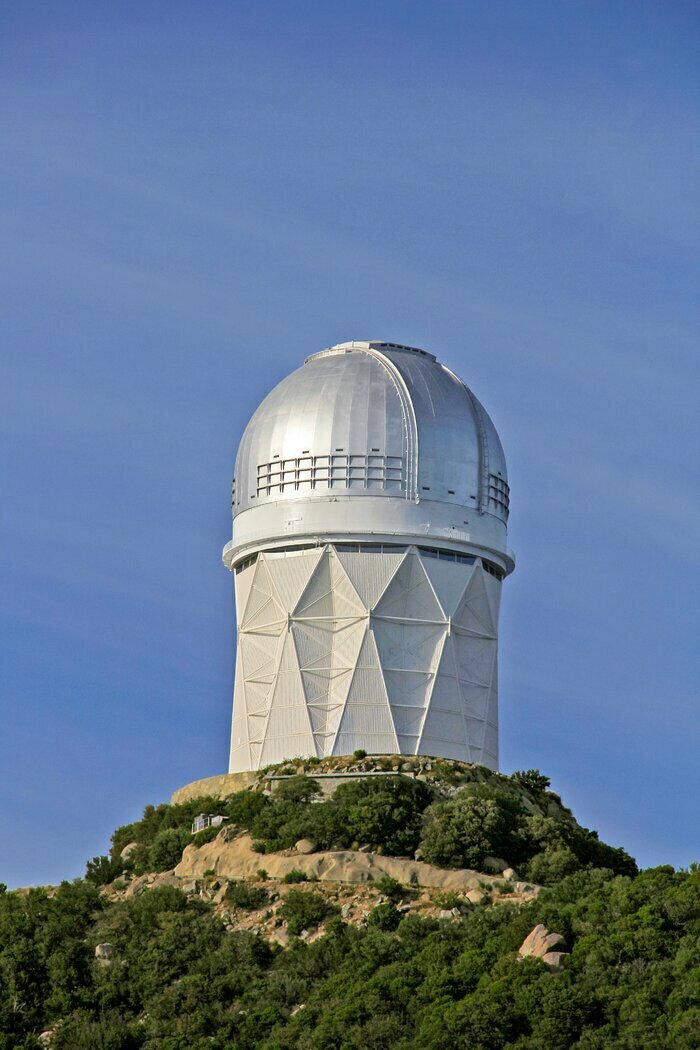
- 4m multi-object spectrograph at Kitt Peak Observatory
DESI collaboration 2022
Corentin Ravoux Duke seminar - july 2025
DESI
Corentin Ravoux Duke seminar - july 2025
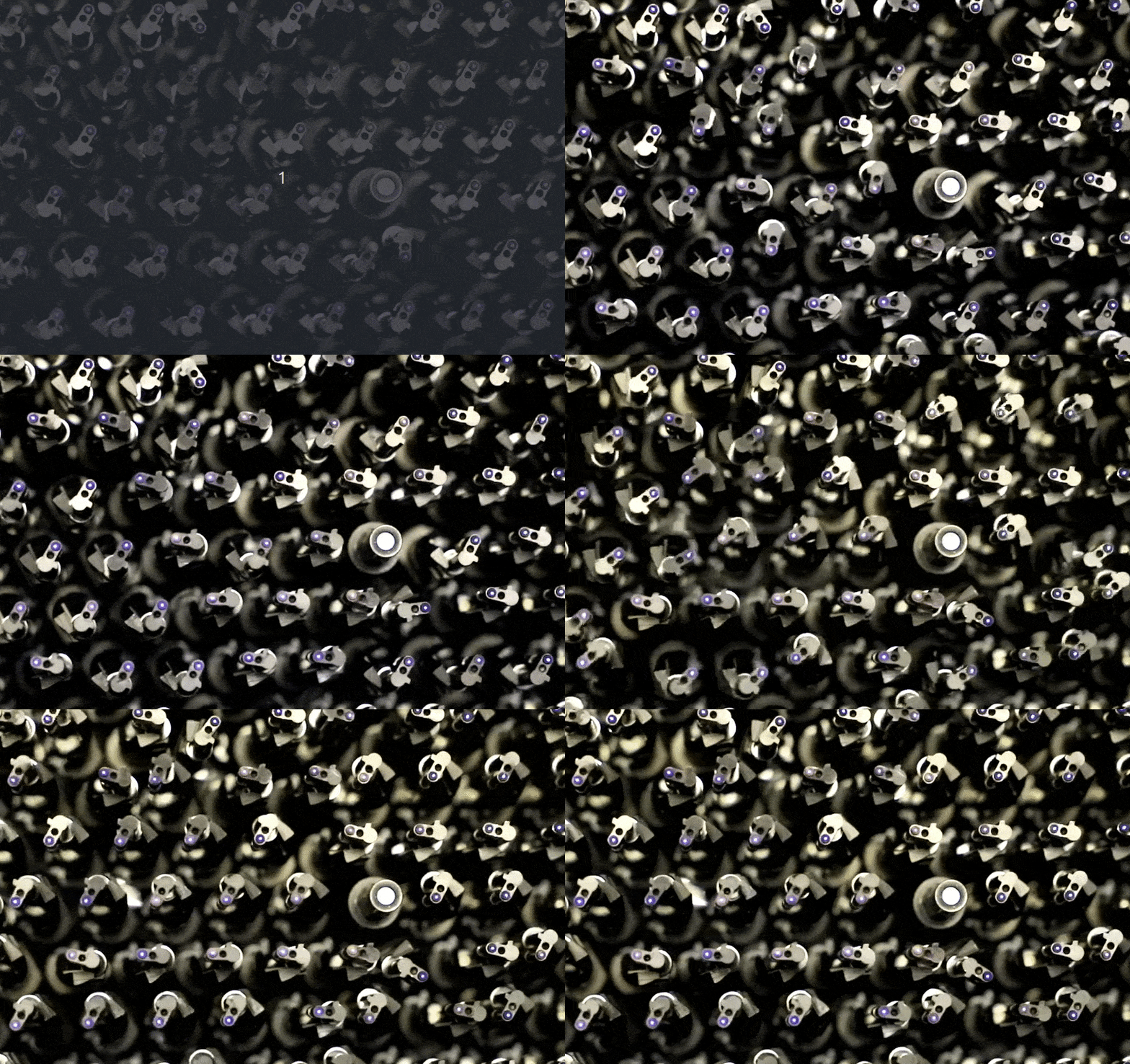
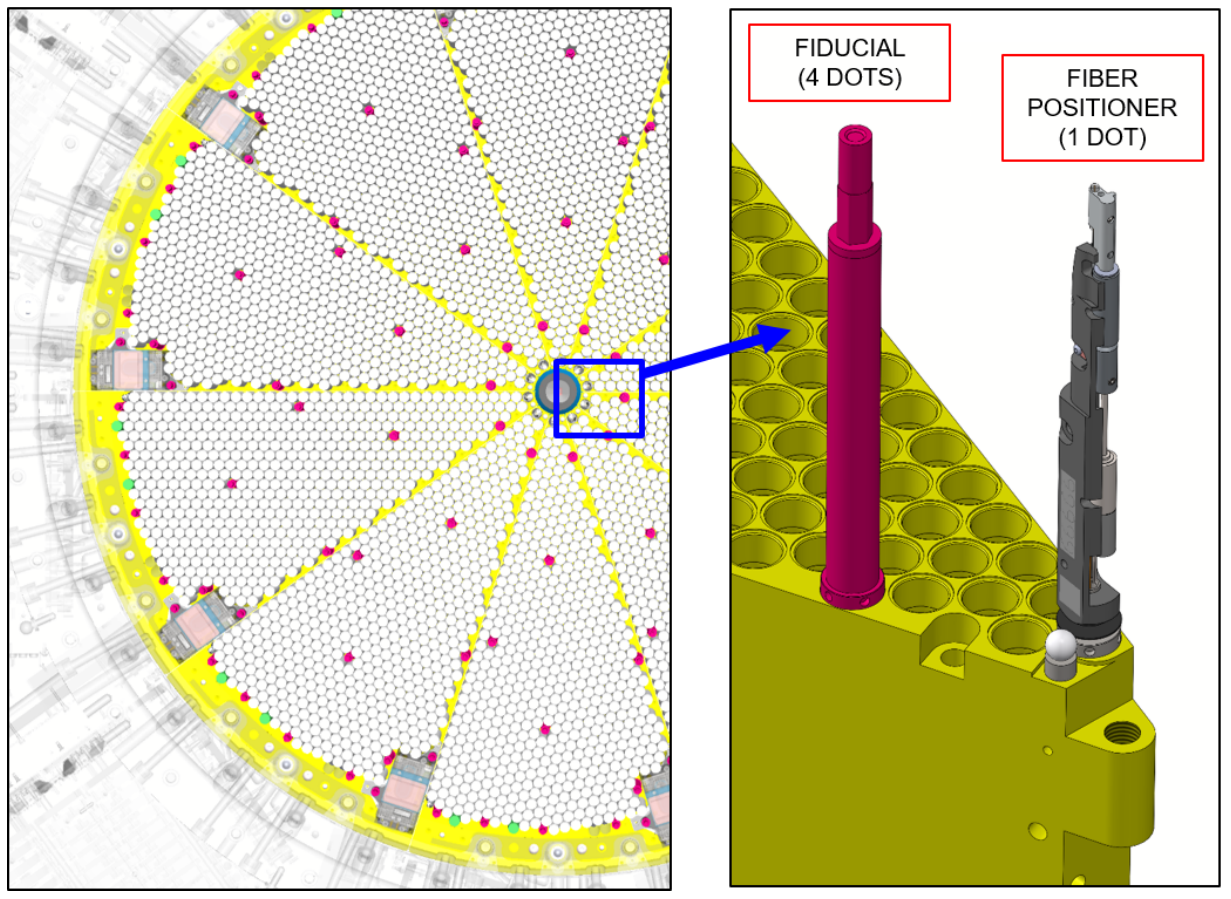
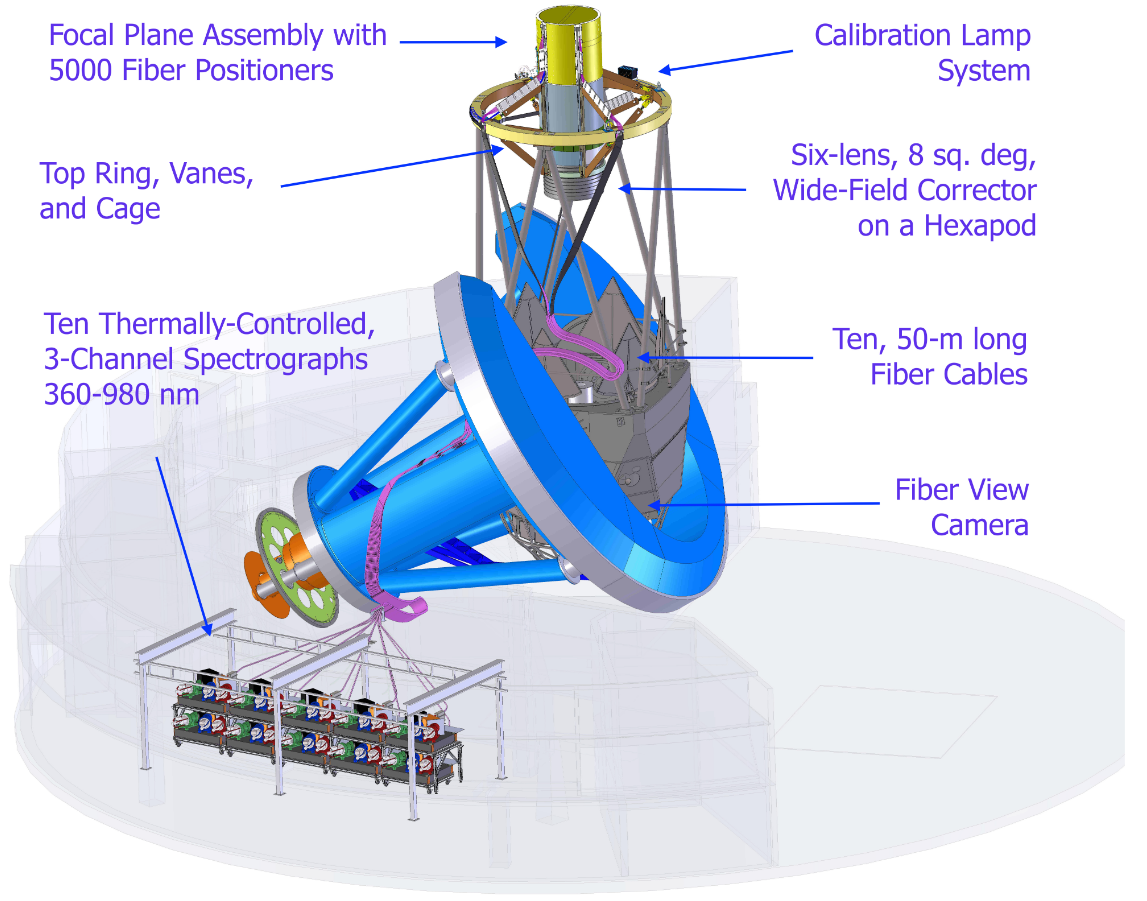
- 5 μm positioning in few sec. for 5000 targets
- All fibers connected to 10 spectrographs
Silber et al. 2022
DESI
Corentin Ravoux Duke seminar - july 2025
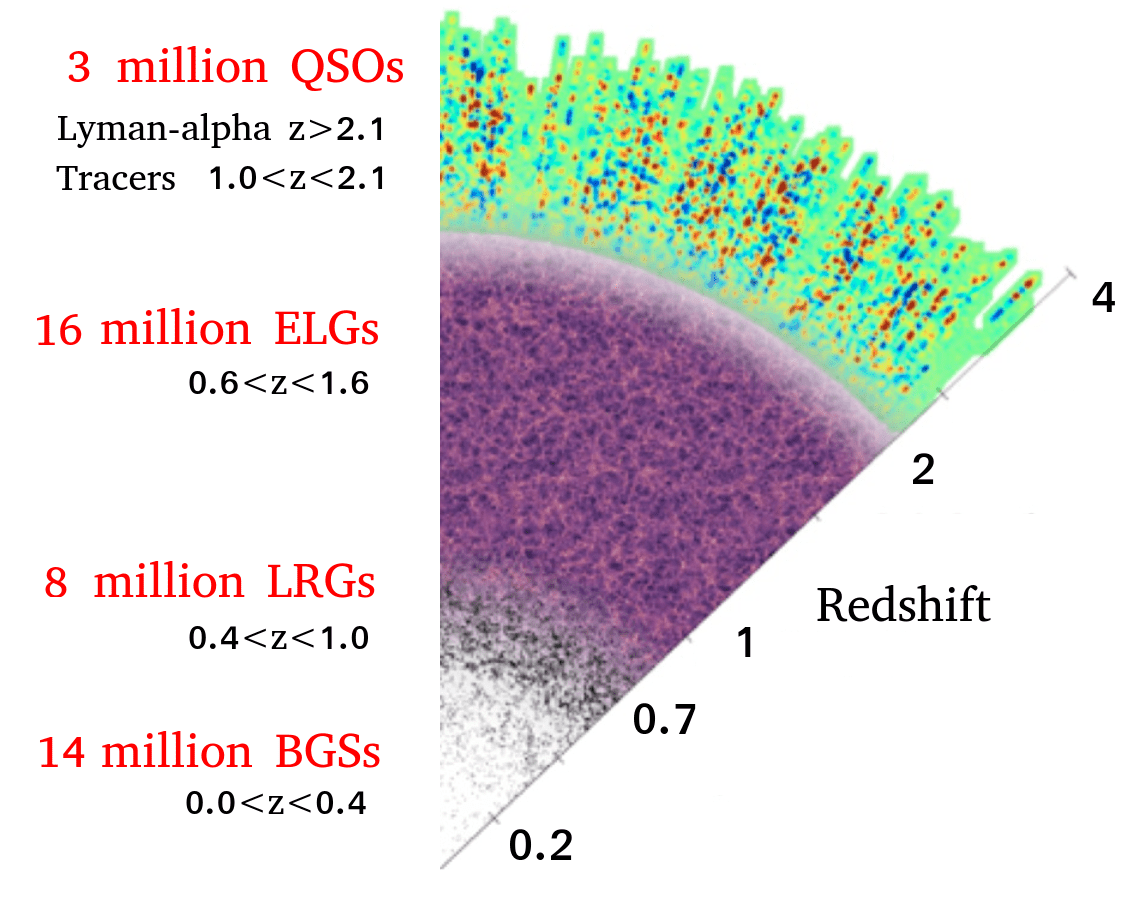
- BGS: Bright Galaxy Survey
- LRG: Luminous Red Galaxy
- ELG: Emission Line Galaxy
-
QSO: Quasar
- z > 2.1: with a Lyman-α forest
- z < 2.1: as tracers
40 million redshifts in 5 years
Primary science: BAO and RSD measurements
DESI x ZTF simulation
- 27 simulations from AbacusSummit (Maksimova et al. 2019)
- Density: DESI Bright Galaxy Survey (BGS) clustering matching for Y5 (J. Bautista, A. Smith)
- Velocity: ZTF SNIa Y6 simulation performed (following Carreres et al. 2023)
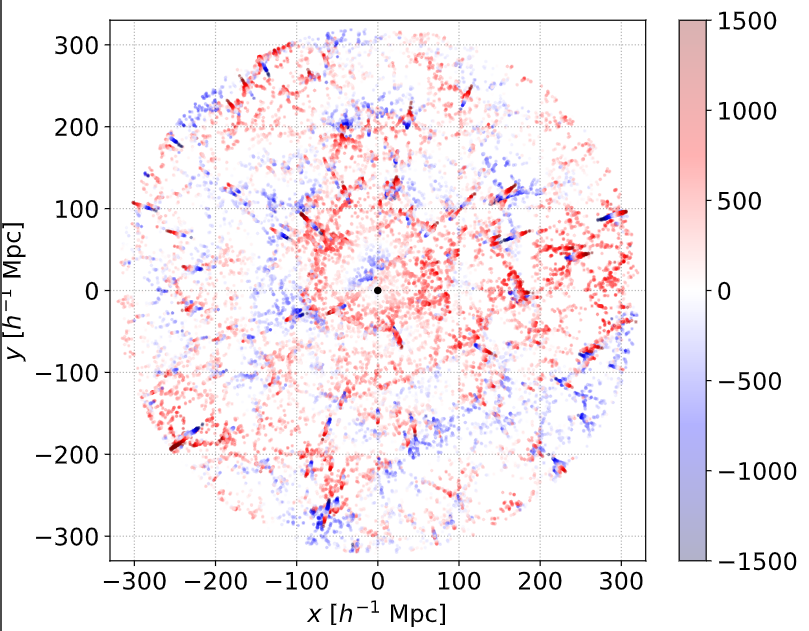
from Julian Bautista
Corentin Ravoux Duke seminar - july 2025
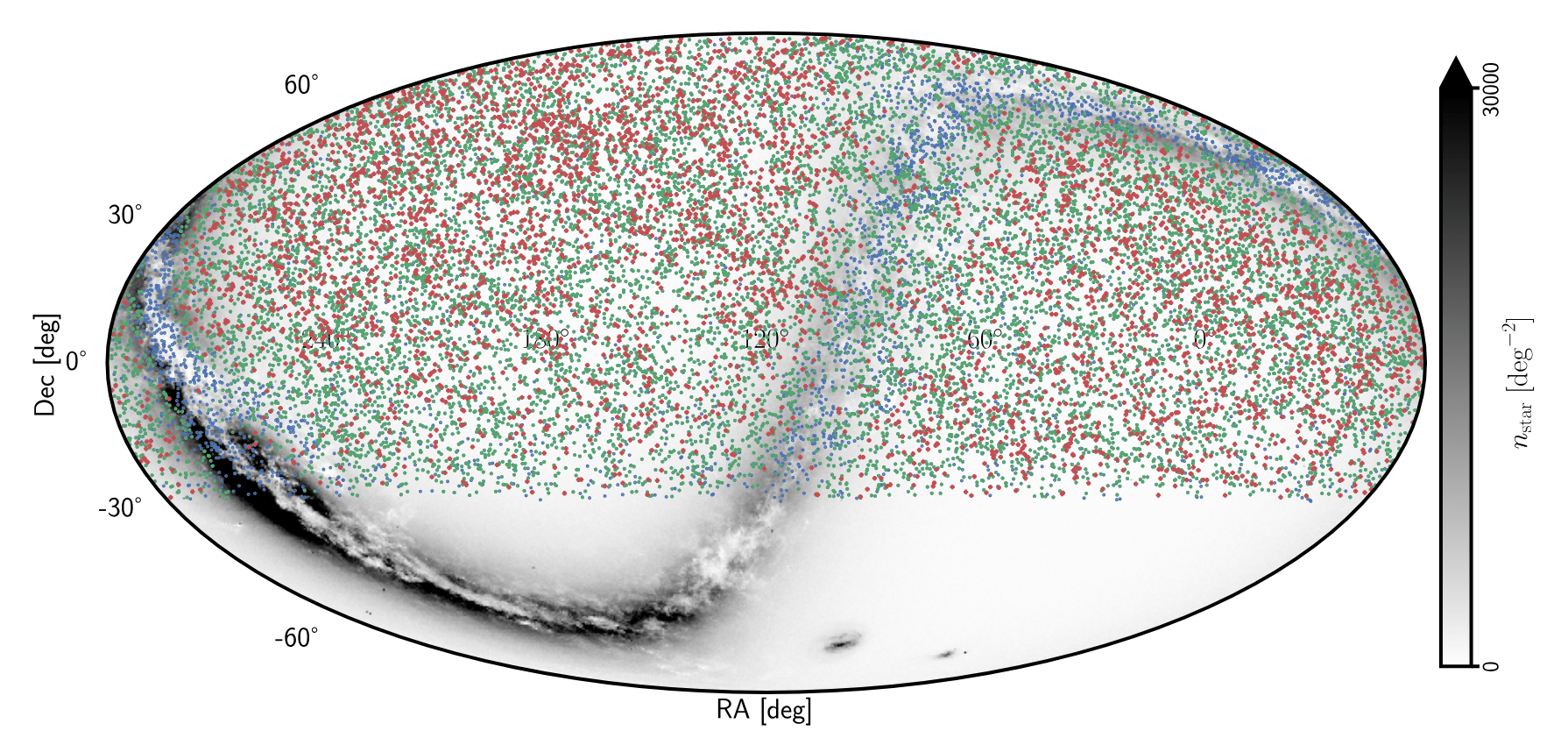
Galaxy field
- snsim runs to mimic ZTF Y6 SN Ia field
Supernovae velocities
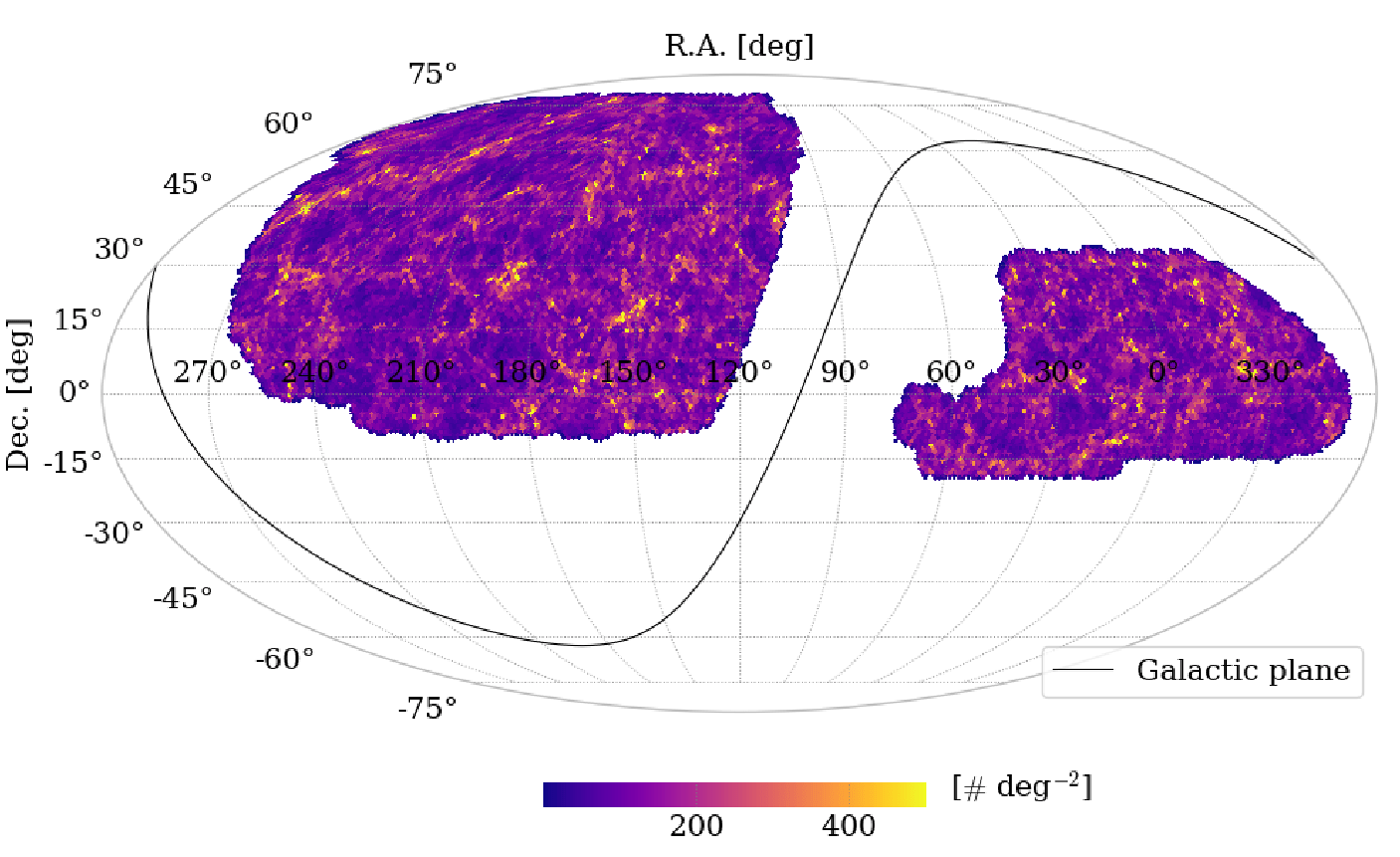
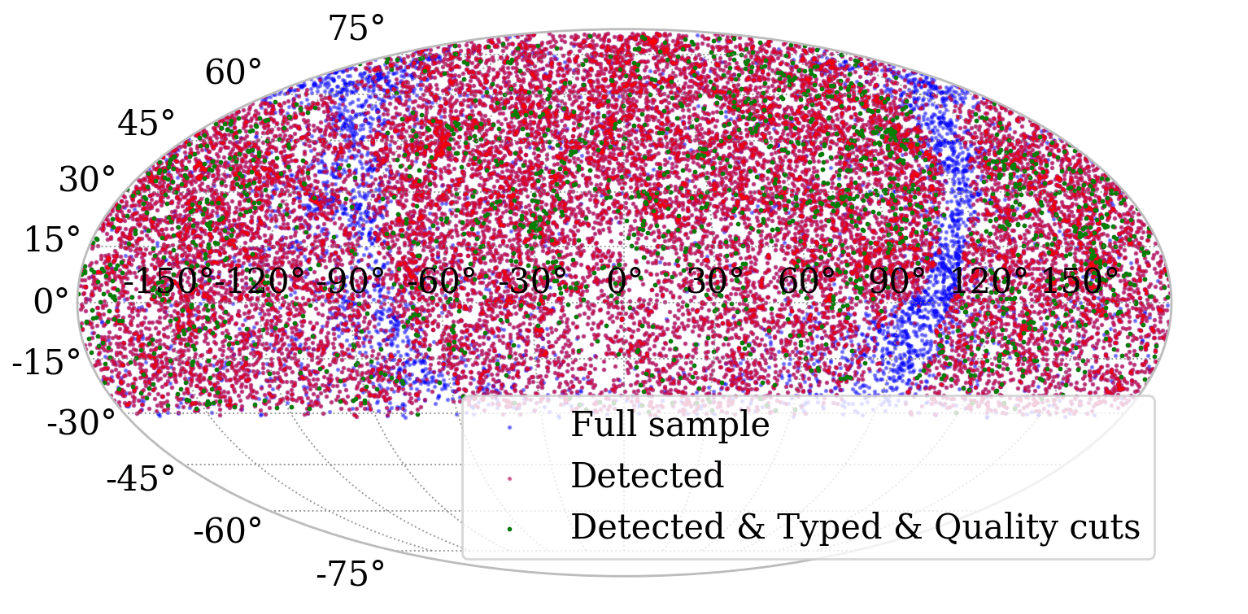
- DESI Y5 BGS footprint and density field gridding
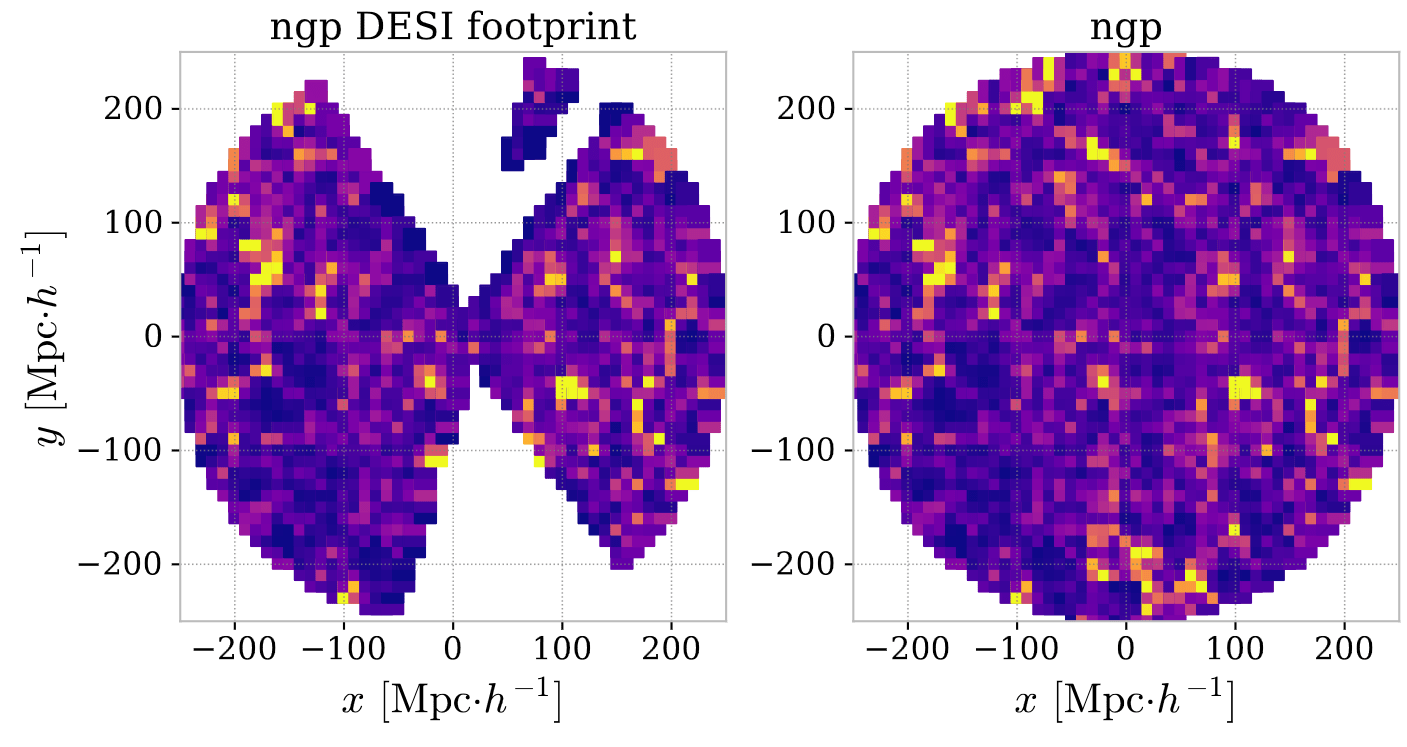
Ravoux et al. in prep.
Ravoux et al. in prep.
Corentin Ravoux Duke seminar - july 2025
Model for density & velocity fit
- For velocity x density, use of a new wide-angle model implemented in flip
Corentin Ravoux Duke seminar - july 2025
ZTF velocity fit
- Velocity fit including Hubble diagram parameters to reproduce Carreres et al. 2023
- Variation of analysis parameters (max redshift, SNIa density...)
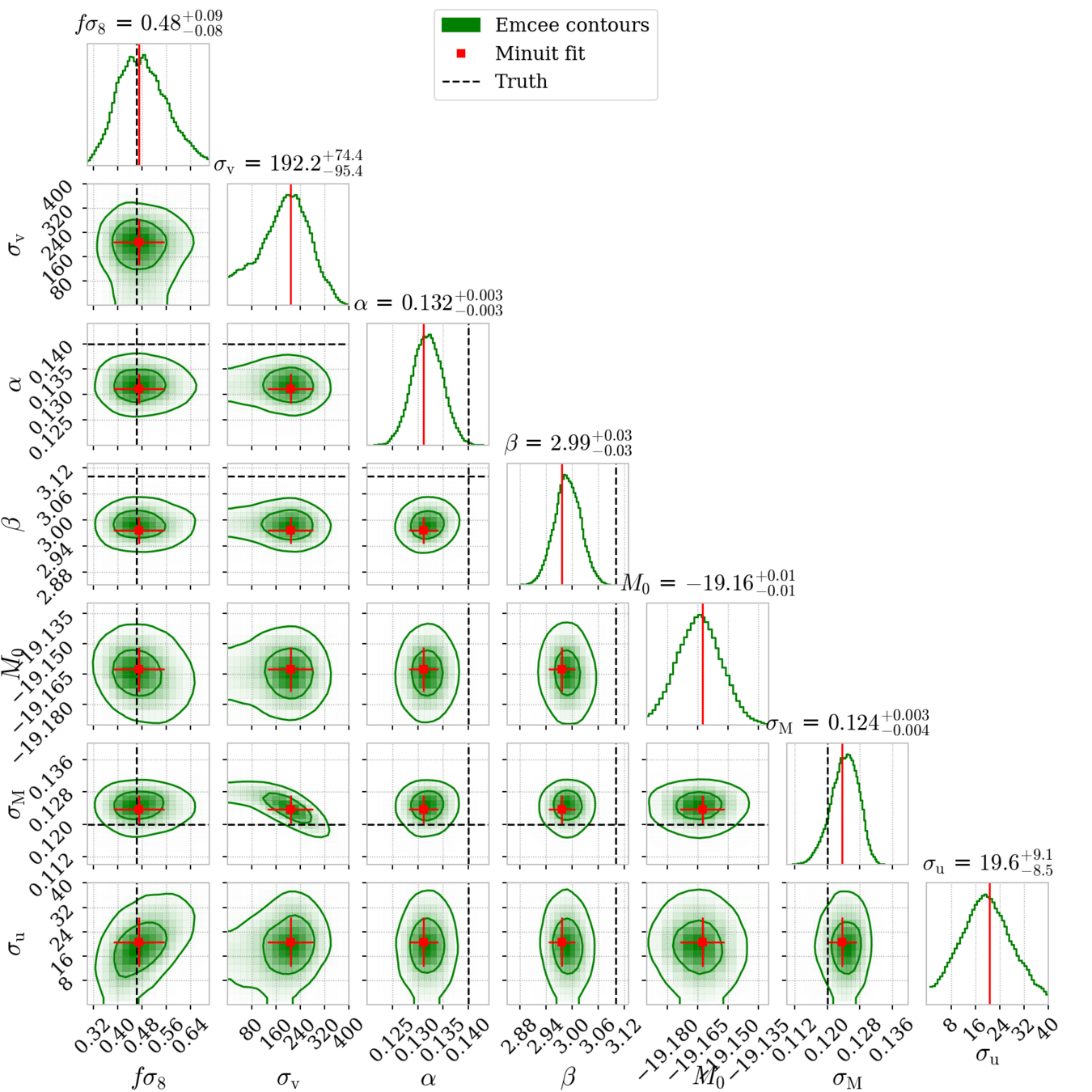
Ravoux et al. in prep.
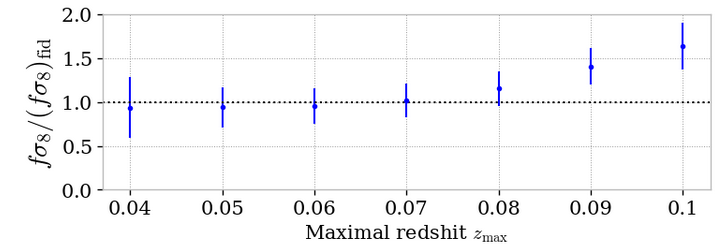
Corentin Ravoux Duke seminar - july 2025
DESI density fit
- Density grid with pypower
- Test varying all density gridding parameters: grid size, mesh cell size, interpolation scheme (ngc, cic, tsc, pcs), footprint (Y5 or full)
- Mean minuit fit on 27 mocks with average error bar
Ravoux et al. in prep.
Corentin Ravoux Duke seminar - july 2025
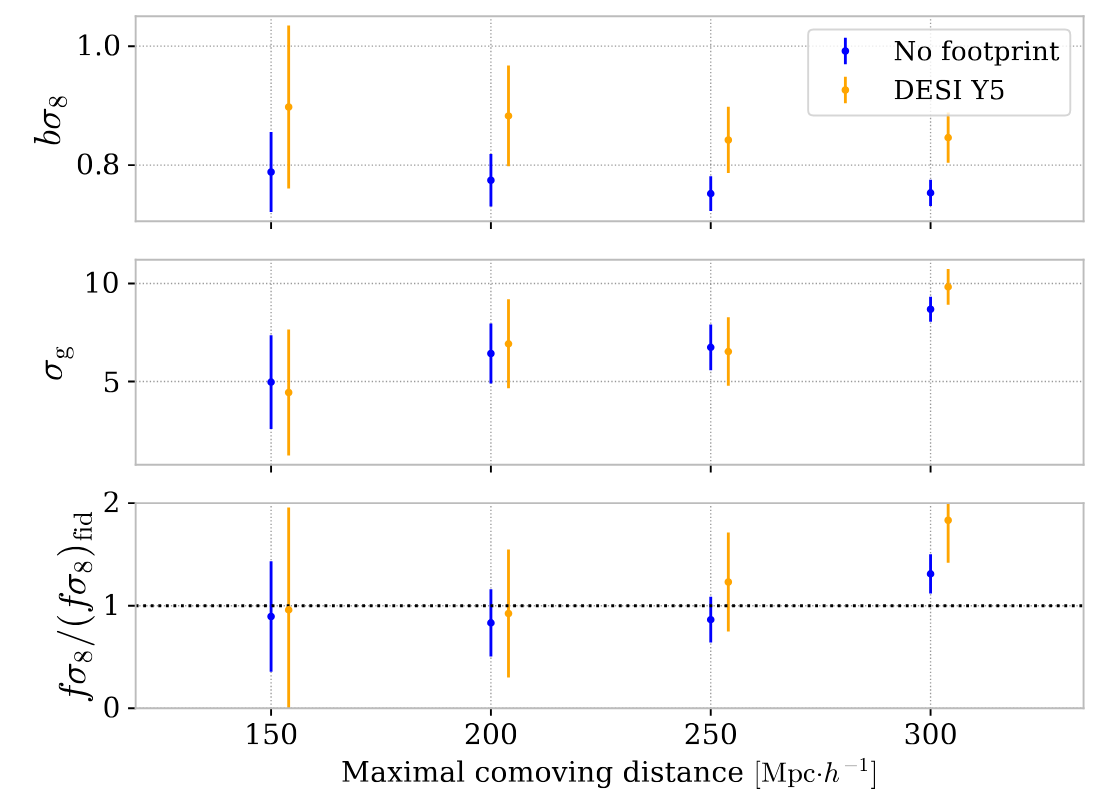
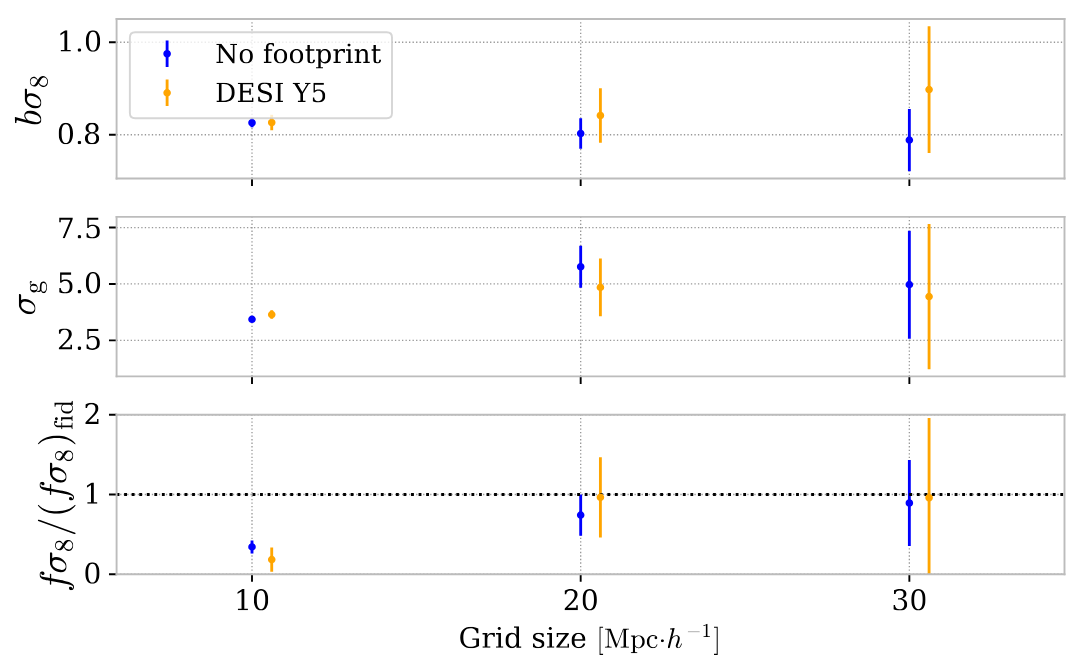
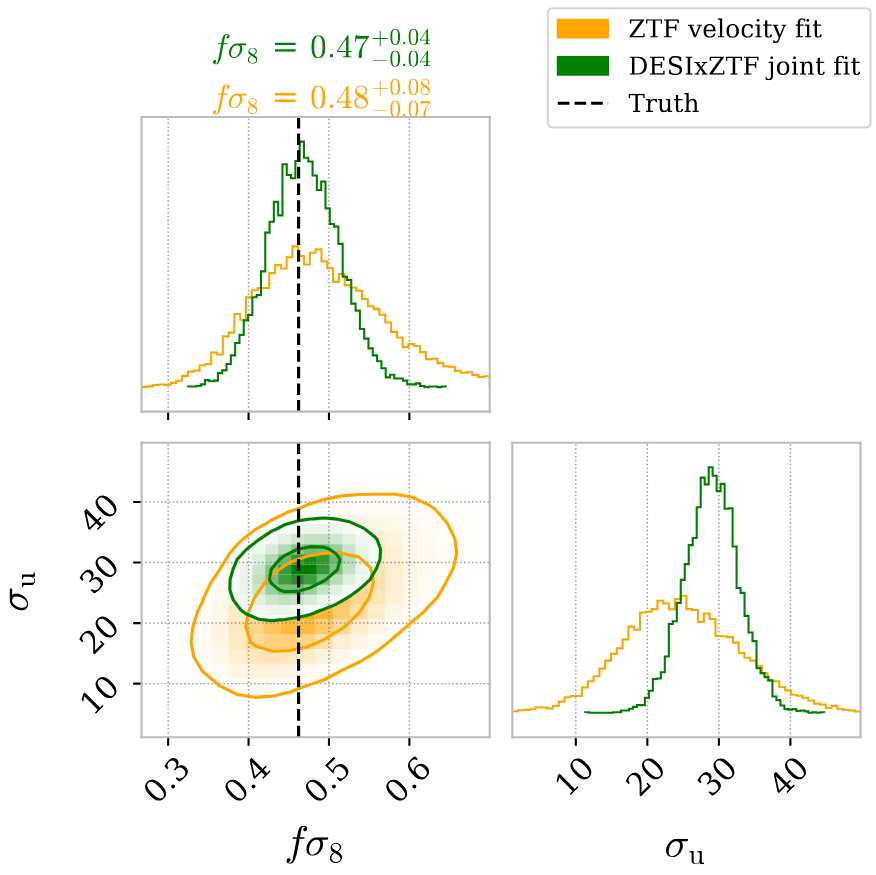
DESI x ZTF joint fit
- SNIa velocity fit with Hubble diagram parameters and density field
Adding density improves fs8 constraints up to 60%
Different density configurations
Ravoux et al. in prep.
Corentin Ravoux Duke seminar - july 2025
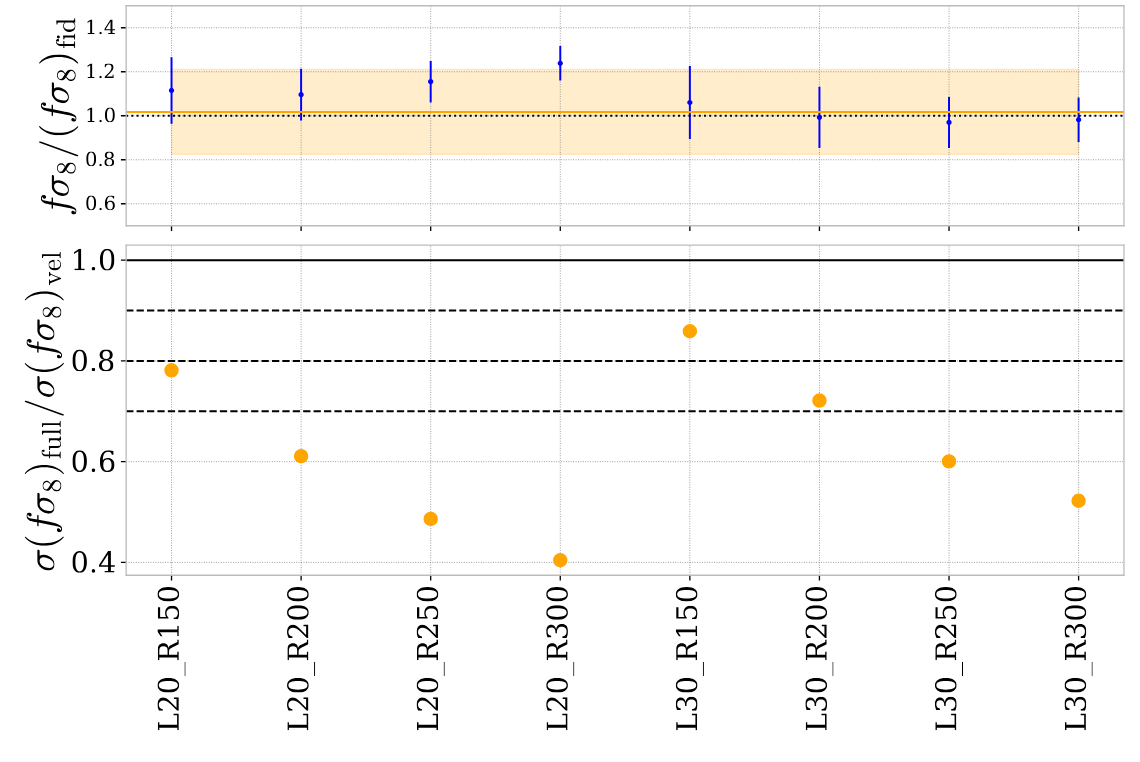
Summary of forecasts on realistic simulations
Corentin Ravoux Duke seminar - july 2025
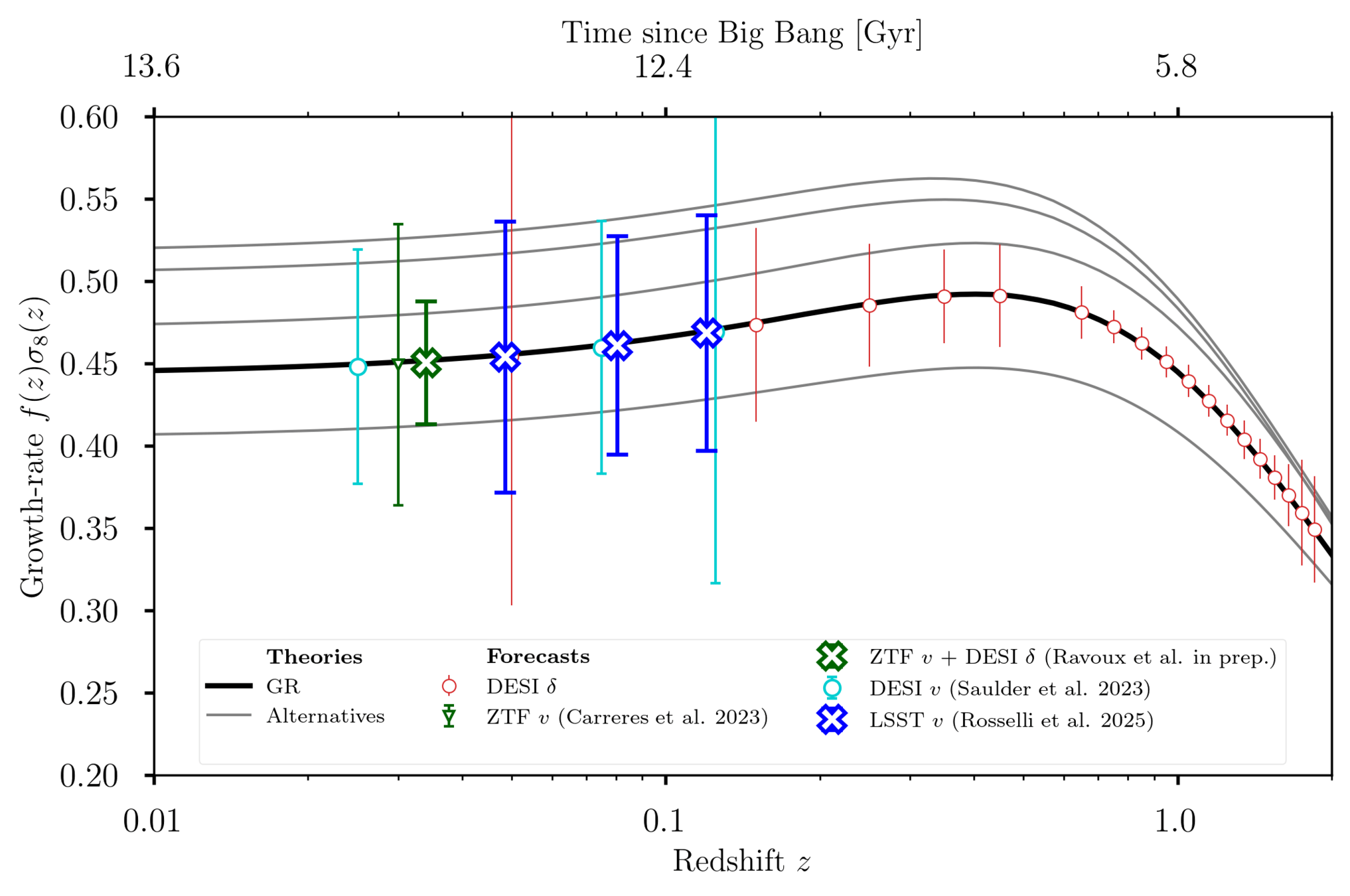
Conclusion
- Large modeling and simulation preparatory work for ZTF, LSST and combination with DESI density field
- Dedicated sofware for simulation (snsim) and analysis (flip)
-
Next steps:
- Tests on Pantheon+ data (Anthony Carr, KASI), DEBASS data (Bastien Carreres, Duke) and ZTF data (Raphael Kebadian, CPPM)
- Implementation of non-linear models (EFTofLSS)
- Combination with other velocity tracers (TF, FP)
ACCEL² simulation
Bonus: AuxTel for LSST atmosphere
-
Impact of PWV (Precipitable water vapor) on SNe Ia bands
-
i,z,y bands interesting for high-redshift SNe Ia
-
Proposed DDF scenario has a lot of y-band visit: impact or correction of atmosphere variability
-
FGCM cross-verification/external data input
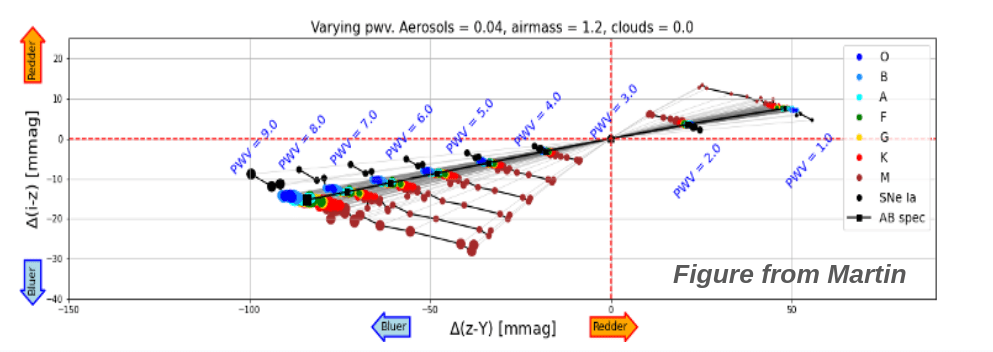
Bonus: AuxTel for LSST atmosphere
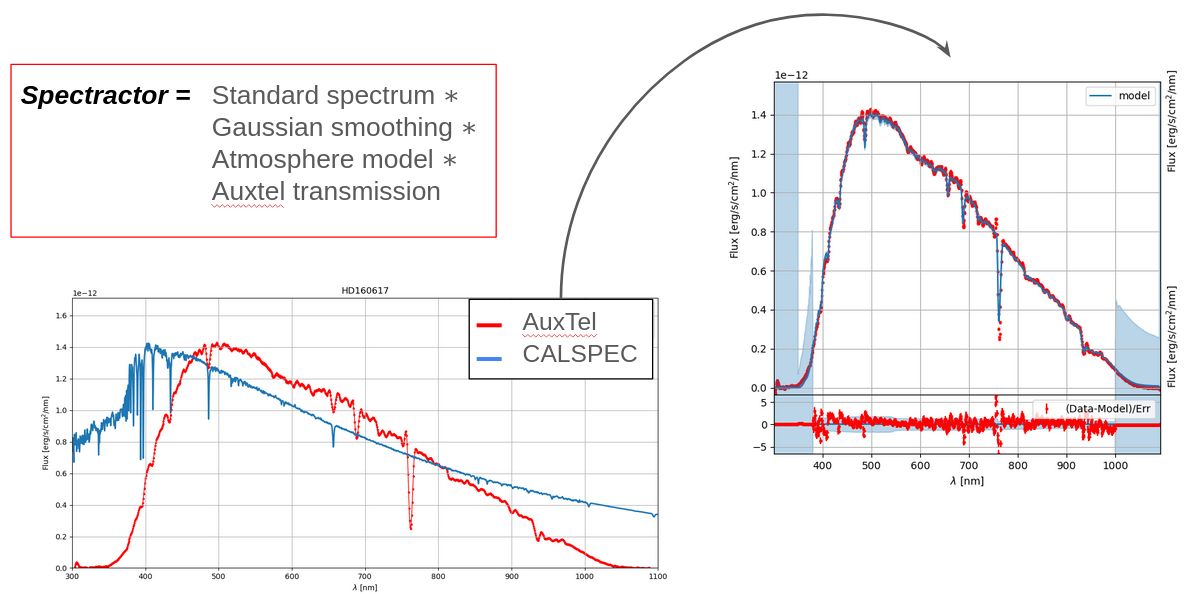
Bonus: AuxTel for LSST atmosphere
-
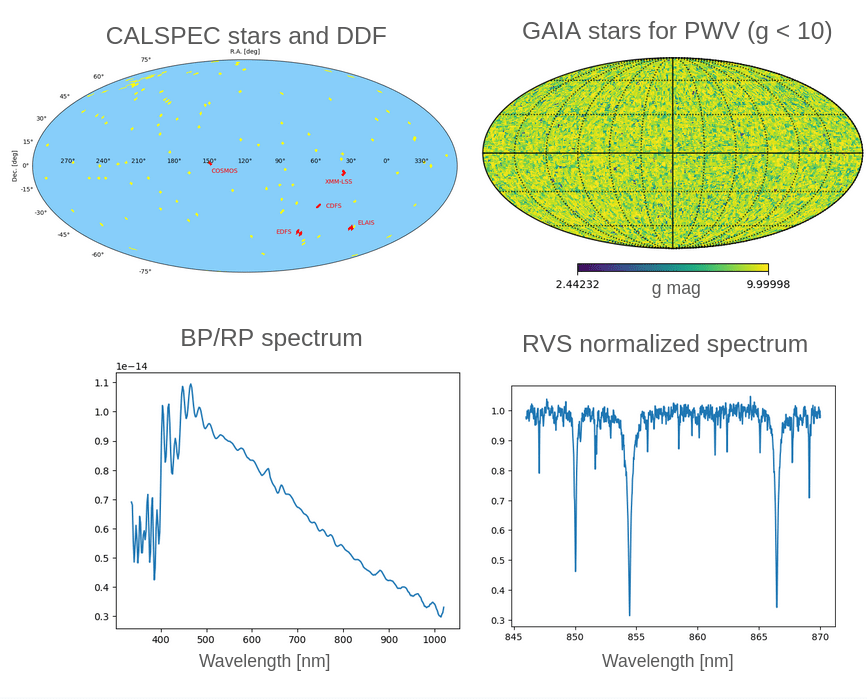
CALSPEC spectra does not cover DDF
-
Gaia = largest catalog of star spectra out of atmosphere
-
BP/RP spectrograph: low resolution at [330-1050]nm
-
RVS spectrograph: high resolution at [846-870]nm
-
Optimal coverage of the full LSST sky (including DDF)
Bonus: AuxTel for LSST atmosphere
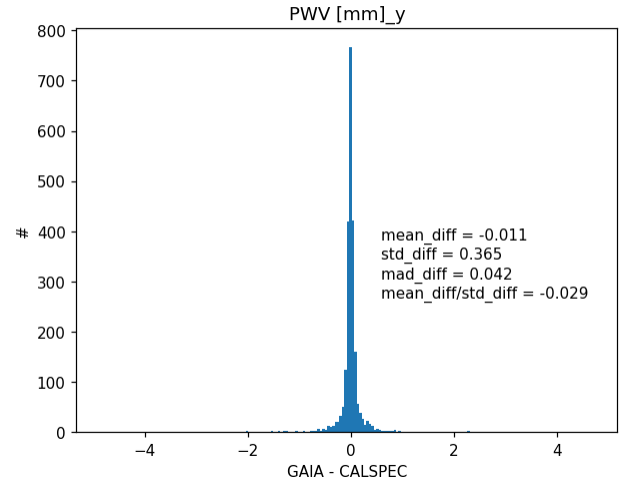
Unbiased PWV measurement with GAIA (2323 AuxTel measurement in 2025, similar results with previous spectra)
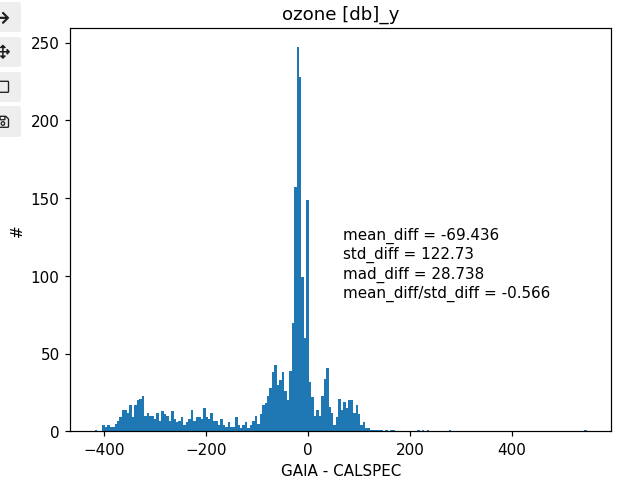
Harder to get unbiased ozone measurement, even with the use of a Gaia adapted throughput
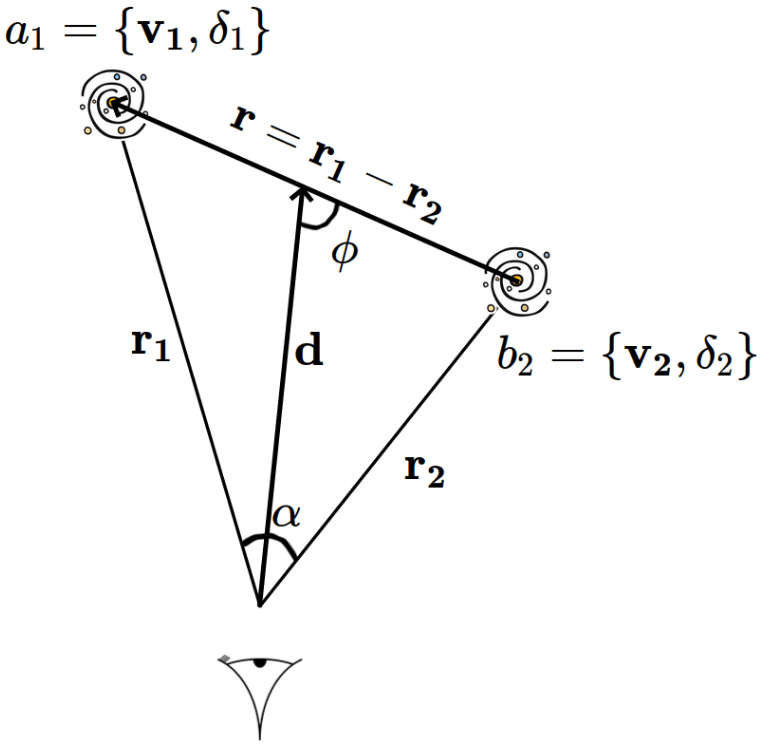
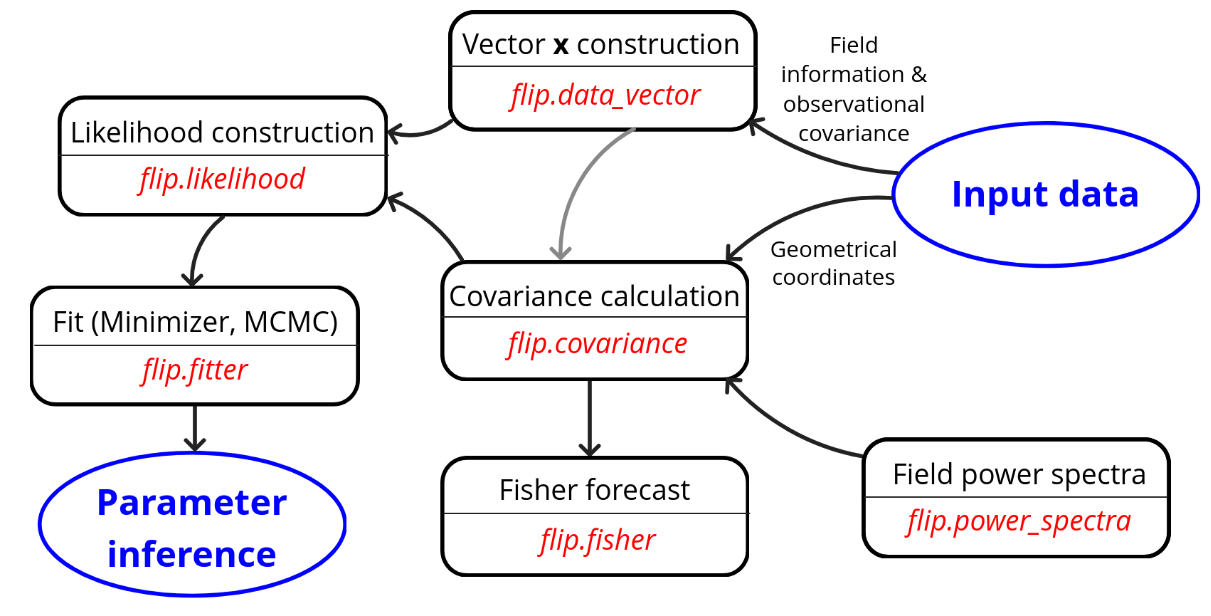
A word on wide-angle in clustering
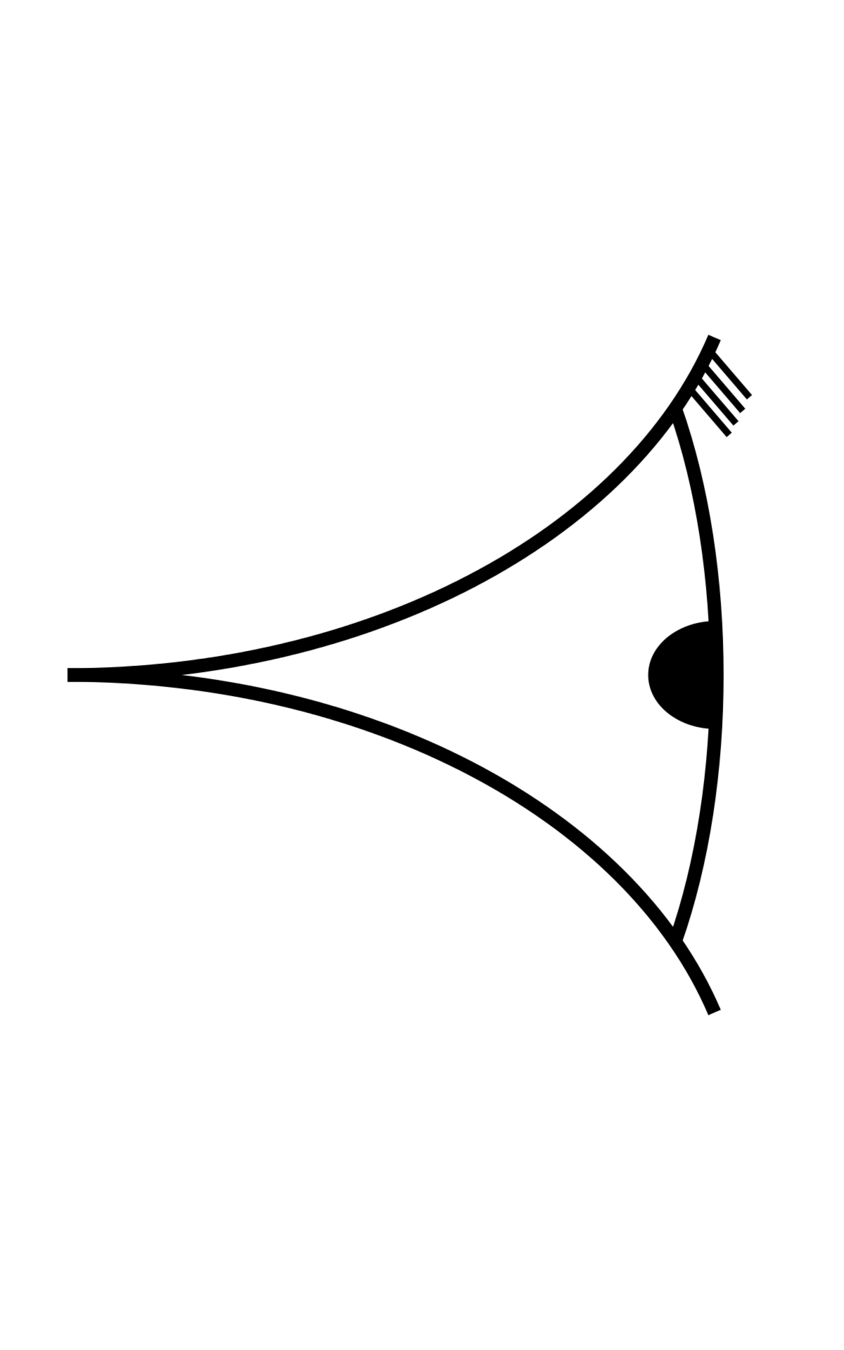

Plane parallel models
Wide angle models
Plane parallel model
- Express power spectrum model in a general way:
- vv "simple" example:
Parameters to fit
Terms to integrate analytically
Power spectra terms to integrate numerically
Plane parallel model
- Without loosing generality we can express the covariance:
Plane parallel model
Linear sum of matrix with parameters to fit as coefficients
- Without loosing generality we can express the covariance:
Plane parallel model
Hankel transform
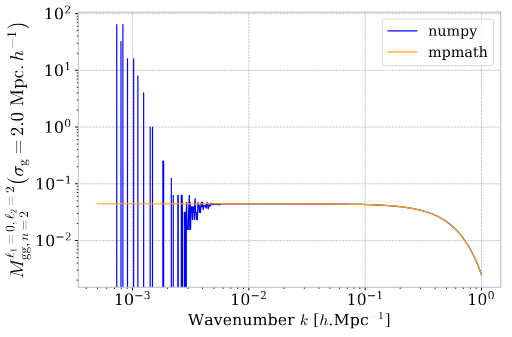
- Most important part: Algorithmically optimized way to compute power spectrum integral, with FFTLog algorithm
- Without loosing generality we can express the covariance:
Plane parallel model
- Without loosing generality we can express the covariance:
Terms pre-computed analytically with symbolic code generaltion
- More complicated formalism derived and implemented for wide-angle
Survey dependent Fisher forecast
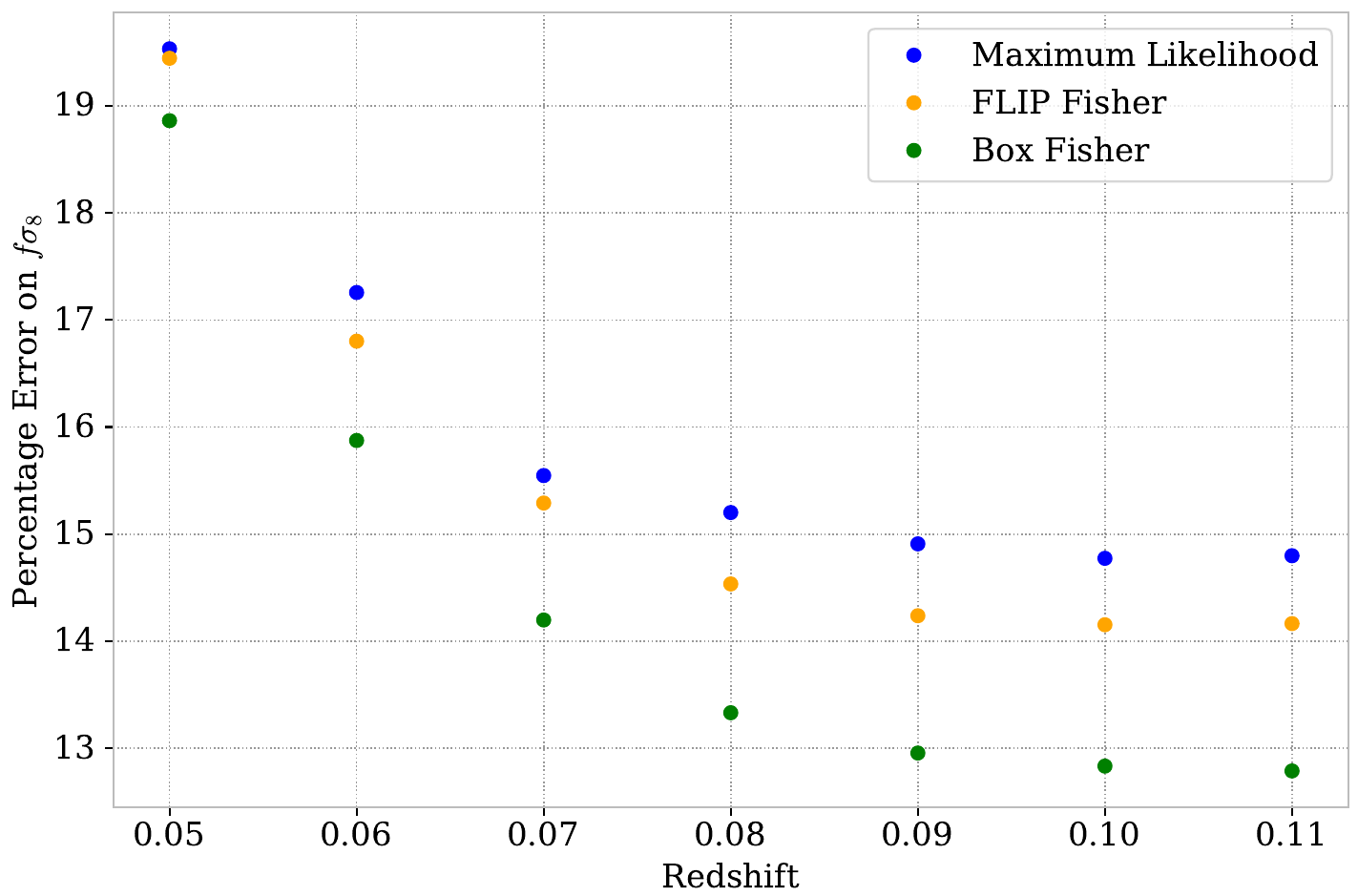
- Field covariance matrix accounts for survey geometry
- Comparing ZTF simulation (Carreres et al. 2023) with Fisher forecasts
- Error ~ 30% closer to likelihood-based than standard Fisher
Howlett et al. 2017
Ravoux et al. 2025